


تحسين النتائح
ترتيب حسب
من
الى

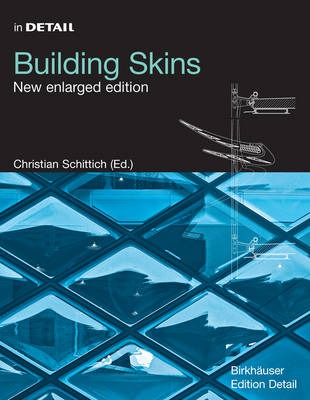
Focuses on the wide-ranging aspects of facade design, from the selection and use of materials to the advanced technical possibilities now open to the architect. A wide array of carefully selected international examples show the theory in the practice.
Introduction to the complex relationship between form making, historical analysis, and conceptual explorations. This book focuses on the relationship and interdependence between design, theory, and history for an innovative and holistic studio approach. Draws from a diverse range of thinkers and designers to highlight the many interpretations of key architectural concepts, and provides readers with the context essential for developing their own approaches to any design problem.
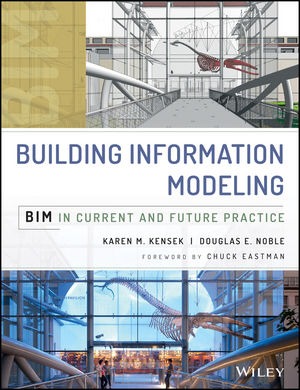
Thought leaders from universities and professional practice composed essays exploring BIM's potential to improve the products and processes of architectural design including the structure and content of the tools themselves. These authors provide insights for assessing the current practice and research directions of BIM and speculate about its future. Design Thinking and BIM BIM Analytics Comprehensive BIM Reasoning with BIM Professional BIM BIM Speculations
The first introduction to health-focused building standards for design and construction professionals. More than a summary of the state of the field, this practical resource guides designers, builders, developers, and owners through considerations for incorporating WELL®, Fitwel®, and other systems from the planning phase to ground-breaking and beyond.Drawing on the authors’ backgrounds in sustainable design and public health, chapters on the evolution of the green building movement and the relationship between health and the built environment provide vital context for understanding health-focused standards and certifications. The final chapter looks toward the future of health and the built environment.
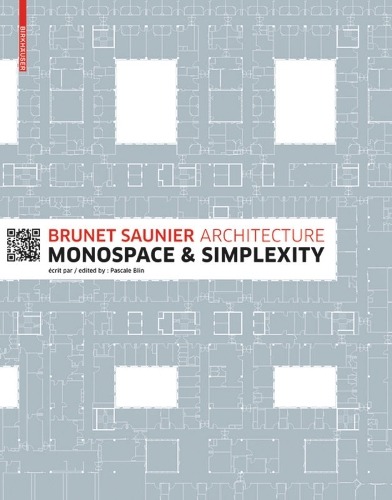
Discusses and analyzes this concept in detail, presenting trueto- scale floor plans, cross-sections, architectural views, and other information. The Monospace concept - which is based on a process of creative reduction down to essentials, i.e. "simplexity" - is adaptive rather than normative or prescriptive, and based on probabilities rather than determinism. It respects energy, even when it sometimes uses it. It takes the individual's experience into account, and starts from the position of the subject. It also permits changing perspectives. This design concept should attract attention far beyond the borders of France.
On the occasion of the annual Swiss Federal Design Competition, the Federal Office of Culture is realizing a publication and an exhibition - this year in collaboration with the Musée de design et d'arts appliqués contemporains in Lausanne. They serve as platforms to present and document all award winners and their award-winning works. Works from the fields of fashion, textiles, graphics, illustration, photography, product design and jewelry can be seen.
This book offers an optimistic view of the future and provides a road map for societies to get there. Drawing upon extensive research and many years as a thought leader in environmental and sustainability issues in Japan and internationally, Hiroshi Komiyama analyzes the most pressing challenges to the attainment of sustainability of economically advanced nations and argues forcefully for Japan to lead them out of the present dilemma through active promotion of creative consumer and societal demand. He shows how an active industry–government–academic partnership can provide the environment needed to promote such new creative demand and illustrates its potential through presentation of a Platinum Society Network that was launched on a regional basis in Japan in 2010 to facilitate the solution of common issues through the exchange of information and ideas.
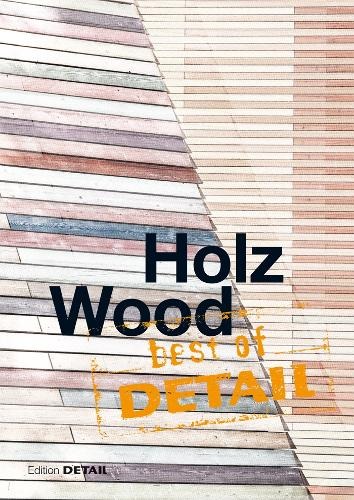
Brings together highlights from DETAIL about wood as a material. Besides a theoretical basis, the publication also offers a comprehensive section on projects, ranging from experiments to elaborate details, which provides abundant inspiration and examples of successful architectural design using wood.
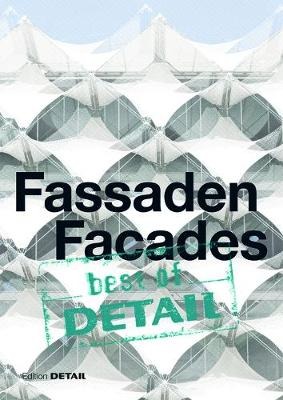
The facade serves as the building's public face, allowing rapid assessment of its architecture. 'Best of Detail: Facades' explores this topic with theoretical discussions and an in-depth look at a range of selected projects, which, besides showcasing suitable materials and designs, give the reader a detailed look behind the scenes. It turns out that quality architecture can only result from a coherency between the facade, structure, internal organisation and building services design elements that interact directly with each other. This presents the architect with enormous challenges, particularly as the unity between the exterior and interior is no longer a given, as today's range of materials and design possibilities offer nearly limitless creativity.
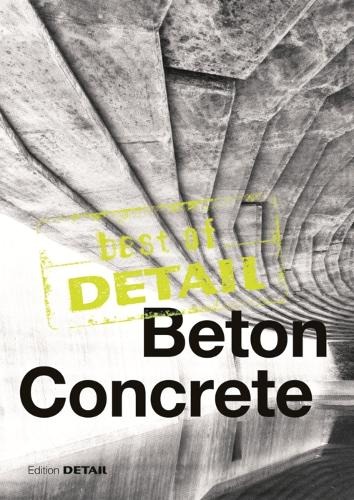
Presents highlights from the magazine published in recent years about concrete, a powerful medium for architectural expression. In additional to compelling specialist articles, this book contains a special section with a wide range of examples to inspire your own architectural practice, from train stations and churches to single-family homes
Detailed drawings are developed on the basis of the working drawings; they form an important part of the specification and contain precise information for the tradesmen, indicating how materials are to be used and how they are to be joined. Drawings are produced in various degrees of detail. Depending on the function of the drawings, they are produced in scales from 1:20 to 1:1 in order to define the materials and method of joining, and to better illustrate the various dimensions. Basics Detailed Drawings explains, step by step, how to compose detailed designs and produce correct construction drawings, using clear examples
It consists of measures to prevent fires from starting, to facilitate the rescue of individuals in a burning building, and to help firefighters contain a blaze. The book explains the general concepts and fundamental issues of fire safety in building design beyond the particulars of local building regulations
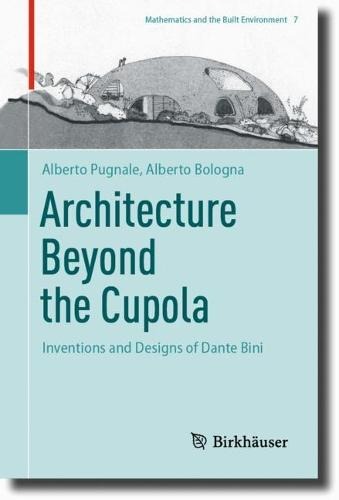
This book reviews Dante Bini’s inventions and designs, focusing on his form-resistant Binishell and other pneumatic construction systems. Dante Bini’s double profile of architect and builder underpins the narrative of the entire book. It is used to analyse the evolution of the early reinforced-concrete Binishell patent into a variety of automated construction systems based on the use of air. Dante Bini has always been quite proactive in promoting his work and disseminating the results of his experimentations and achievements via journal articles, conference presentations and public talks.
Addresses the changing nature of public life alongside an analysis of changes in the architectural profession. Contains thought-provoking chapters from some of the disciplines' leading thinkers and draws together new research that helps us to look again at the question of urban development. Focuses on the link between architecture, urban theory and societal ideas.
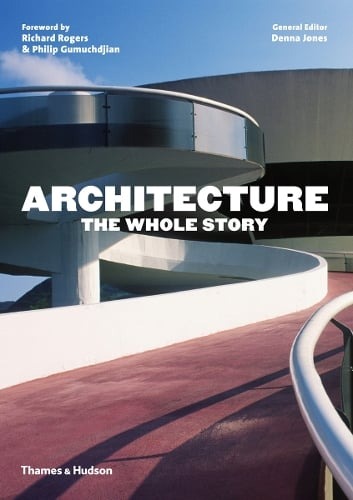
From ancient and classical masterpieces to contemporary, cutting-edge buildings, architecture has defined our world throughout history. Drawing its examples from all around the globe, Architecture: The Whole Story is a richly illustrated and comprehensive account of the architects, plans, designs and constructions that over the centuries have most engaged our minds, inspired our imaginations and raised our spirits. For everyone who has ever wished for greater insight into the art of building design, Architecture: The Whole Story provides the analytical tools to appreciate to the fullest the variety of architectural achievement and the built environment in the world.
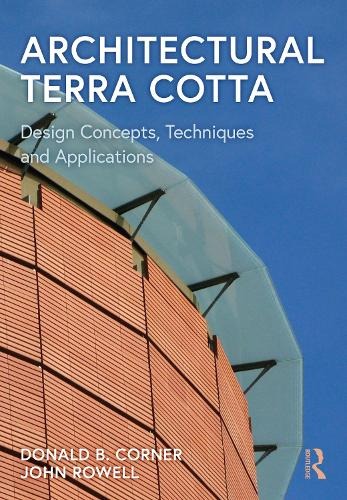
Examines the evolution of terra cotta and prepares architects and builders to make new, creative uses of the timeless material. Terra cotta is among the oldest of manufactured building products, yet it has once again become a material of choice in contemporary façade design. From the walls of Babylon to high performance rainscreens, terra cotta claddings have repeatedly proven to be technically superior and aesthetically triumphant. Understanding the evolution of terra cotta prepares architects to add new, creative chapters to a rich history.
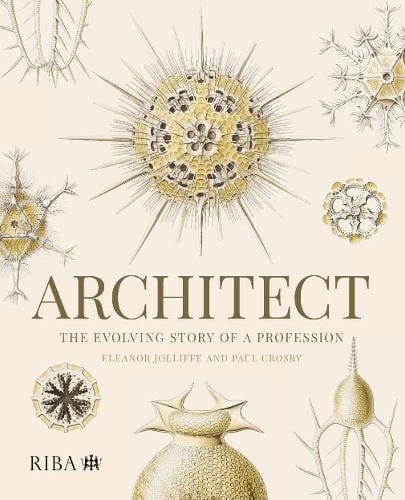
From Ancient Egypt, where architects were members of the ruling class, tied into the running of the empire, to the 21st century when questions are being raised about the future of the profession, this book, with its engaging narrative, explores the constant threads that remain as the profession adapts. While architects are no longer deified, their ability to imagine a new impending reality in built form implies a visionary dimension to their work. By focusing on both the practicalities of the profession and the more intangible motivations behind design – humans’ need to make a mark upon their surroundings – this volume provides a critical overview of over 3000 years of practice and education.
Presents the town of Kavala in Northern Greece as an example of Ottoman urban and residential development, covering the long period of Kavala’s expansion over five centuries under Ottoman rule. Kavala was part of the Ottoman Empire from 1387 to 1912. In the middle of the sixteenth century, Ibrahim Pasha, grand vizier of Suleiman the Magnificent, contributed to the town's prosperity and growth by the construction of an aqueduct. The Ottomans also rebuilt and extended the existing Byzantine fortress.
provides thought-provoking and inquisitive insights into how we can prolong the useful life of buildings by designing them to be more adaptable, and hence create a more sustainable built environment. The book provides a theoretical foundation counterpointed by the experiences and ideas of those involved in the design and use of buildings. It explains many approaches to designing for change, with lessons from history, and case studies including The Cedar Rapids Public Library, Kentish Town Health Centre and Folkestone Performing Arts Centre, which stretch our thinking beyond the conventional notions of adaptability. The authors reveal the many conditions that make it a complex design phenomenon, by considering the purpose, design and business case of buildings as well as the physical product. Full of summaries, diagrams, reference charts, tables, and photos of exemplar solutions for use as conversational tools or working aids, this book is for any professional or student who wants to research, question, imagine, illustrate - and ultimately design for - adaptation.
Celebrates the rich detail in the work of Aino, Elissa, and Alvar Aalto. Every support, railing, and handle is the result of intensive formal and functional research. The authors document 50 Aalto buildings - some well-known and others less so - and arrange their photographs by component into 20 chapters. The result is a rich photographic record that will serve as a source of inspiration for every architect. From door handles to skylights: Aalto's infinite wealth of components Inspiring documentation with 400 systematically arranged photos Unconventionally detailed solutions with special attention paid to technical feasibility

سوريا - اتستراد درعا - غباغب
+963-15 2050 - 15 860 380 /1/2/3 - 11 662 3900