


تحسين النتائح
ترتيب حسب
من
الى


The development of modern architecture in Korea and, more recently, South Korea, is closely tied to the country’s dramatic transformations since the late 19th century.The architectural analyses, ranging from Hwaseong Fortress to 21st-century constructions like Paju Book City, Ssamziegil Shopping Center, the Boutique Monaco skyscraper, and the Bauzium Sculpture Museum, focus on buildings in which the formation of a specifically Korean modernism is particularly observable. The appendix includes biographical descriptions of major architectural figures.
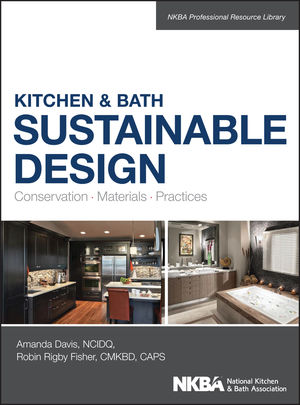
Guide to "greening" these important rooms. The first book to focus exclusively on kitchen and bath sustainability, this full color guide covers every consideration for both remodels and new construction, making it a handy reference for any kitchen and bath professional. Case studies of award-winning projects demonstrate how space, budget, and sustainability can come together to create beautiful, functional, efficient rooms, and illustrations throughout provide visual examples of the techniques discussed. The book includes information on greening one's practice for the client's benefit, plus an appendix of additional resources and instructional materials for classroom use.

A colour reference for all types of designers, artists and anyone who used colour in their work or creative pursuits. Along with some basic colour theory, the guide provides hundreds of one, two, and three-colour combinations selected to reflect a range of moods and adjectives. It includes information on creating special effects using metallic and fluorescent colour palettes, as well as a section devoted to the psychology of colour. The authors help readers determine their best colours and suggest why some colours may inspire creativity while others don't. The book also includes two colour palette sections reflecting black and white as the colour base, along with an expanded and updated colour trends sections that discusses trends and how they are predicted, giving advice on how to be a trend spotter.
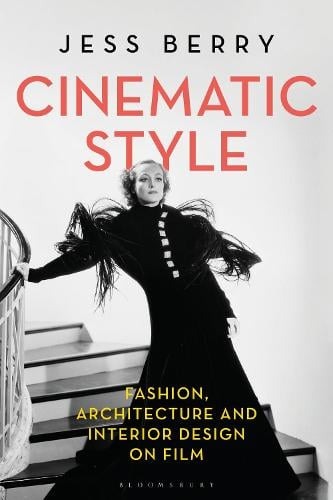
This book is the first to consider the significant interplay between fashion and interiors and their combined contribution to cinematic style from early film to the digital age. With examples from Frank Lloyd Wright inspired architecture in Hitchcock's North by Northwest, to Coco Chanel's costumes for Gloria Swanson and a Great Gatsby film-set turned Ralph Lauren flagship, Cinematic Style describes the reciprocal relationship between these cultural forms. Exposing the bleeding lines between fashion and interiors in cinematic and real-life contexts, Berry presents case studies of cinematic styles adopted as brand identities and design movements promoted through filmic fantasy.
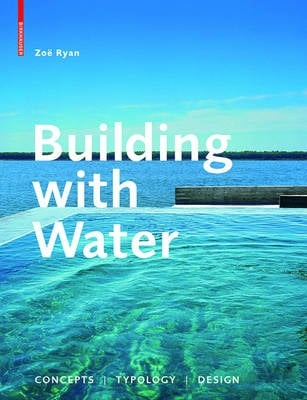
It presents buildings that explicitly refer to water in their design and form. It establishes a typology of building by the water: residential structures, recreation facilities, industry and infrastructure, buildings for culture and art. The various design parameters are explored in four essays. Subsequently, twenty-two international projects are presented, organized according to their locations by a river, a lake or the sea. The authors’ concern is not to show luxurious buildings in privileged locations but rather presenting projects that seriously grapple with the main criterion of the location—namely, water—in an ecologically sustainable way and respond to it with their design.
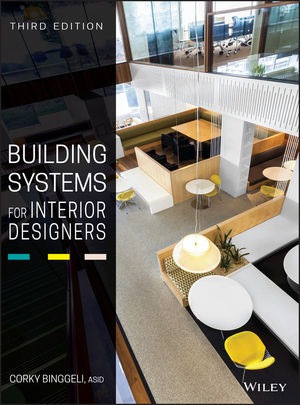
The ultimate interior designer's guide to building systems and safety Building Systems for Interior Designers, Third Edition is the single-source technical reference that every designer needs, and an ideal solution for NCIDQ exam preparation. Addresses the special concerns of the interior designer within the context of the entire design team. New coverage includes the latest information on sustainable design and energy conservation, expanded coverage of security and building control systems, and a new and expanded art program with over 250 new illustrations. Covering systems from HVAC to water to waste to lighting, this book explains technical building systems and engineering issues in a clear and accessible way to help interior designers communicate more effectively with architects, engineers, and contractors.
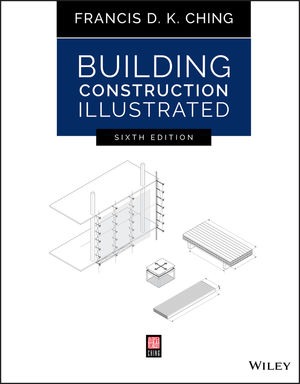
A leading visual guide to the principles of building construction. Filled with rich illustrations and in-depth content by renowned author Francis D.K. Ching, it offers students and practicing professionals the information needed to understand concepts in residential and commercial construction, architecture, and structural engineering. Includes all new sections on resilient design; diagrids; modular foundation systems; smart façade types and systems; lighting sources and systems; and mass timber materials, cross laminated timber (CLT) and nail laminated timber (NLT) Revised to reflect that latest updates in codes and standards requirements: 2018 International Building Code (IBC), LEED v4, and CSI MasterFormat 2018 Includes updated information on sustainability and green building; insulation materials; stair uses; stoves and inserts; and fire-rated wall and floor assemblies
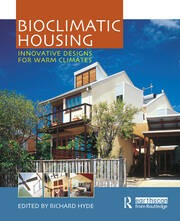
In the search for sustainable architecture, there is growing interest in the relationship between nature and design. In this context, Bioclimatic Housing covers creative, vernacular architecture to present both the theory and practice of innovative, low-energy architecture.The book interweaves the themes of social progress, technological fixes and industry transformation within a discussion of global and country trends, climate types, solutions and technologies. this is a truly international and authoritative work, providing an essential primer for building designers, builders, developers and advanced students in architecture and engineering.
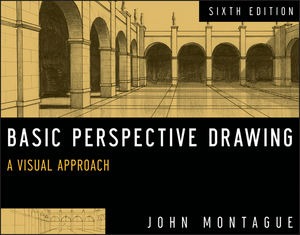
Introduces students, both those in formal design courses and self-learners, to the basic principles and techniques of perspective drawing. Clear and accessible illustrations show how to construct perspective views one step at a time. The new, streamlined Sixth Edition contains must-have content for students and instructors in art and design, architecture, and interior design programs. Updated illustrations reflect the most current drawing styles and examples while supplementary tutorial videos, grouped by architectural disciplines, interior design, and studio art/illustration, provide live-action demonstrations of key topics discussed in the book.
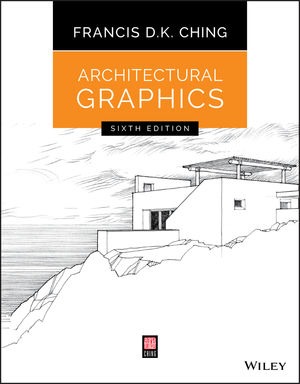
Offers a comprehensive introduction to using graphic tools and drafting conventions to translate architectural ideas into effective visual presentations, using hundreds of the author's distinctive drawings to illustrate the topic effectively. Includes new information on orthographic projection in relation to 3D models, and revised explanations of line weights, scale and dimensioning, and perspective drawing to clarify some of the most difficult concepts. New examples of modern furniture, APA facilities, and presentation layout provide more up-to-date visuals, and the Reference Center features all new animations, videos, and practice exercises. Architectural graphics are key tools for conveying design through representation on paper or on screen, and this book is the ultimate guide to mastering the skill, then applying your talent to create more effective design communication.
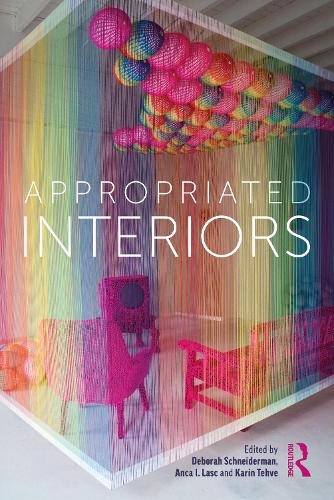
Uncoversthe ways interiors participate explicitly and implicitly in embedded cultural and societal values and explores timely emergent scholarship in the fields of interior design history, theory, and practice. An informative read for students and scholars of design history and theory, this collection considers the standards, assumptions, codes, and/or conventions that need to be dismantled and how we can expand our understanding of the history, theory, and practice of interior design to challenge the status quo.
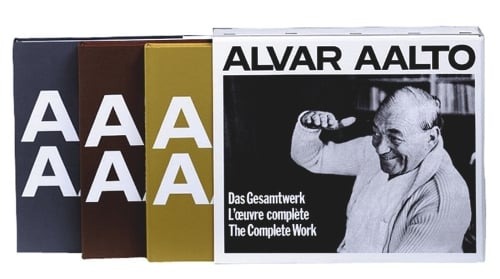
Aalto's designs encompassed the fields of painting, architecture, sculpture, and furniture, and are some of the most beautiful and original of modern times. His combination of an interest in natural, organic shapes with the modernist mandates of form and light in its purest aspects makes him one of the acknowledged masters of modern architecture, along with Le Corbusier and Frank Lloyd Wright.
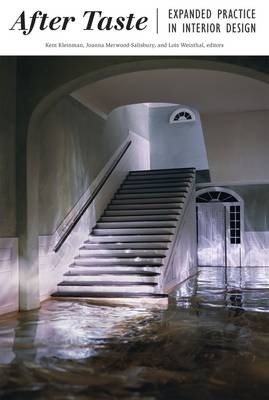
Comprising texts, interviews and portfolios that collectively document new theories and emerging critical practices in the field of interior design. The material is informed by, but not limited to, the annual AfterTaste symposia hosted by Parsons The New School of Design. The book s central argument is that the field of interior design is inadequately served by its historical reliance on taste-making and taste-makers, and, more recently from a set of theoretical concerns derived from architecture; the volume seeks to set an expanded frame by advancing new voices and perspectives in both the theory and practice of interior design, considered as an independent discipline. In 2007, the Department of Architecture, Interior Design and Lighting at Parsons The New School for Design inaugurated an annual international symposium series dedicated to the critical study of the interior.
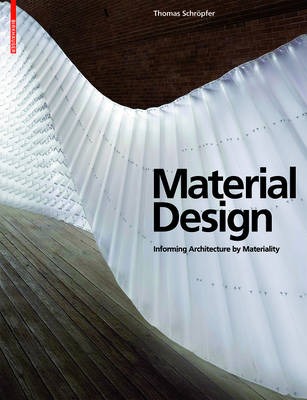
The approach of Material Design opens the way to an innovative use of materials in the design professions. Taking material qualities and properties such as texture, elasticity and transparency as a point of departure, the book describes a multitude of material operations, like folding and bending, carving and cutting, weaving and knitting, mirroring and screening.
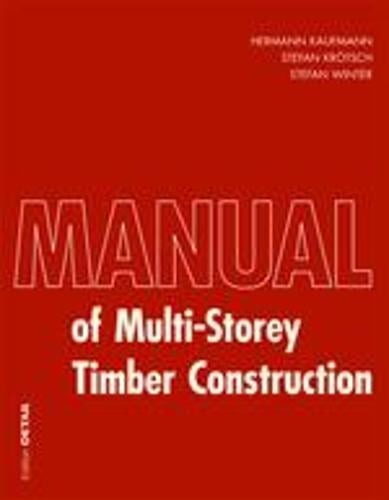
Wood is suitable for use in multi-storey building construction with barely any restrictions. This is new and requires creative rethinking of tried and tested practices in wood construction: classical categories can be replaced by mixed construction methods as necessary within a project, which yields completely new possibilities in designing wood structures. The Manual provides architects, engineers and wood specialists with the essential expertise on the new systematic and construction methodology, from the design to prefabrication to the implementation on site. It lays the grounds for mutual understanding among everyone involved in the project, to facilitate the necessary cooperation in the integral planning and construction process
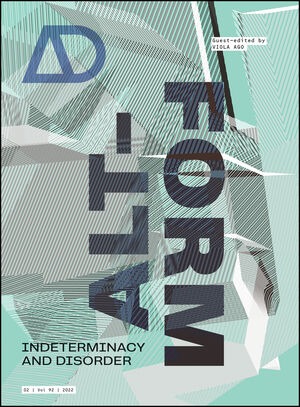
Aims to reach peripheral disciplines in order to support an architecture that no longer operates as a standalone field of study, and is rather one that responds to broader, urgent and pluralistic cultural shifts.
This book provides insight into the Life Cycle Management (LCM) concept and the progress in its implementation. LCM is a management concept applied in industrial and service sectors to improve products and services, while enhancing the overall sustainability performance of business and its value chains. In this regard, LCM is an opportunity to differentiate through sustainability performance on the market place, working with all departments of a company such as research and development, procurement and marketing, and to enhance the collaboration with stakeholders along a company’s value chain. LCM is used beyond short-term business success and aims at long-term achievements by minimizing environmental and socio-economic burden, while maximizing economic and social value.
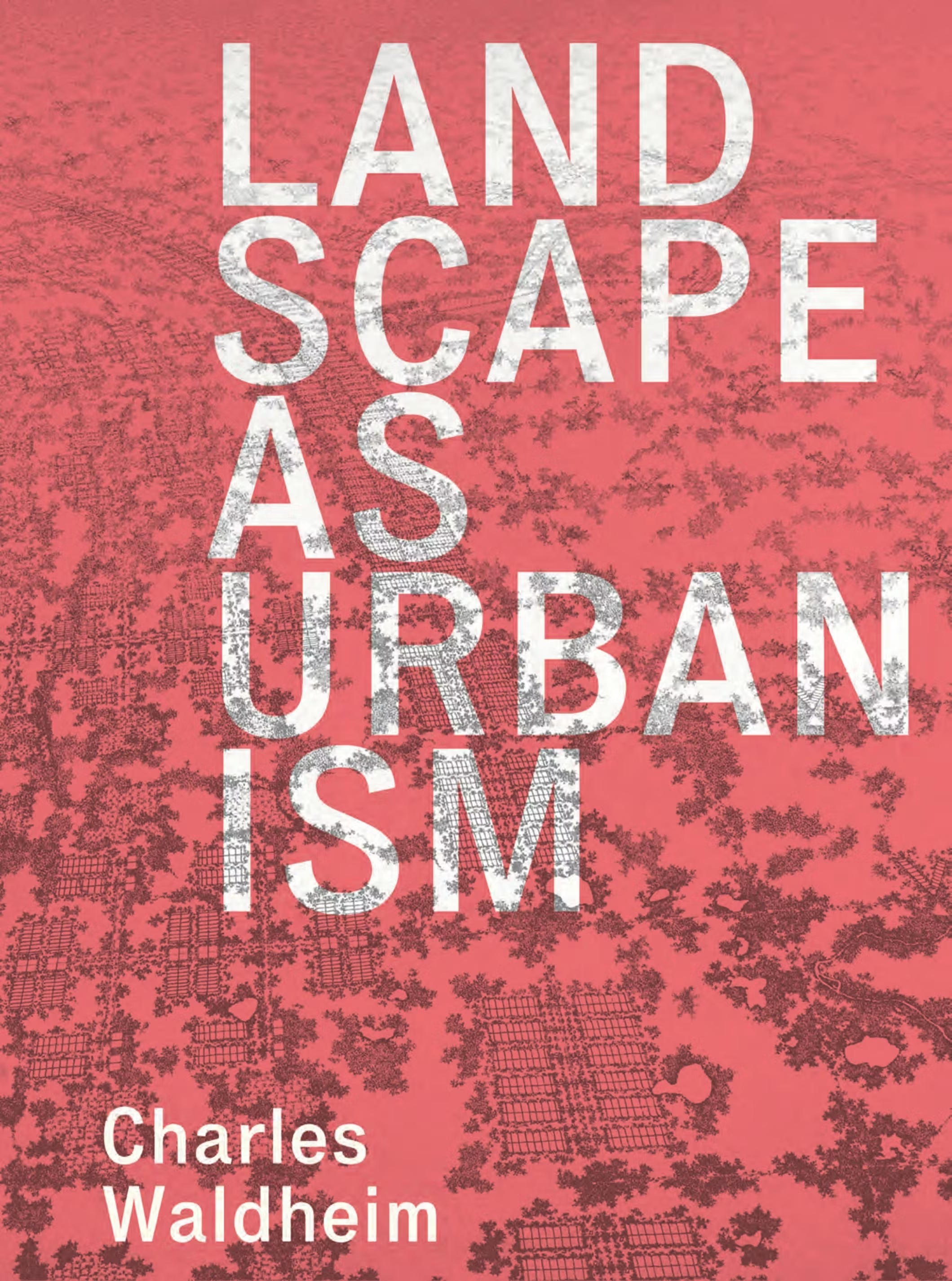
Traces the roots of landscape as a form of urbanism from its origins in the Renaissance through the twentieth century. Growing out of progressive architectural culture and populist environmentalism, the concept was further informed by the nineteenth-century invention of landscape architecture as a "new art" charged with reconciling the design of the industrial city with its ecological and social conditions. In the late twentieth and early twenty-first centuries, as urban planning shifted from design to social science, and as urban design committed to neotraditional models of town planning, landscape urbanism emerged to fill a void at the heart of the contemporary urban project.
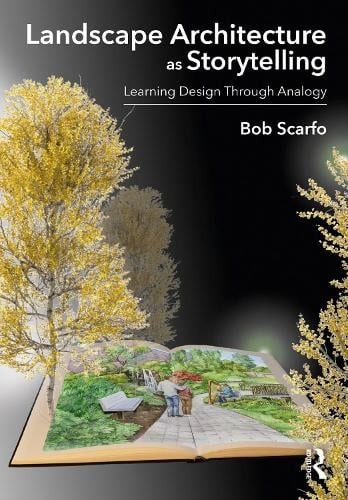
Introduces a comfortable approach to learning landscape architectural design free of design jargon and derived from their existing knowledge. A step-by-step process has readers consider their knowledge of language as metaphorically related to basic design and landscape design. Through information delivery and questioning processes, readers build on what they already know, their tacit understanding of language as applied to problem solving and storytelling. Everyone is a storyteller.
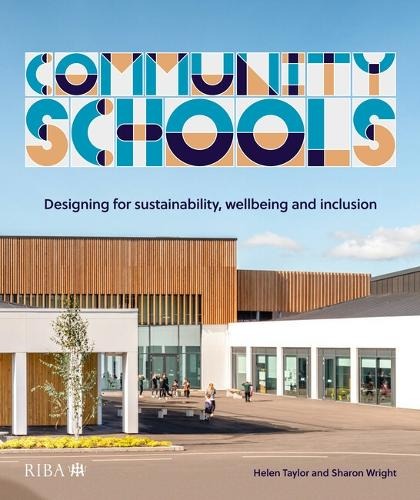
Reconsiders what is required from physical school environments, building on the learning gathered from the sector over the past two decades. To meet the new social, environmental and economic challenges it advocates designing differently, both in terms of the form that buildings take and the evaluation of their impact and performance. By calling for a reframing of the way that schools are regarded as community-wide amenities, this book explores the potential for architects to deliver design in a manner that supports healthy lifestyles and promotes wellbeing. Through encouraging social connections, new possibilities open up for educational facilities to become open, welcoming and inclusive. Featuring: Over 12 international case studies from practices including: Architype, Argyll + Bute, Bogle Architects, DRMM, Revaerk, Scott Brownrigg and XDGA. Key themes of wellbeing, connectivity, inclusion, indicators and evaluation. Practical guidance and learning points throughout. A new design brief for community schools

سوريا - اتستراد درعا - غباغب
+963-15 2050 - 15 860 380 /1/2/3 - 11 662 3900