


تحسين النتائح
ترتيب حسب
من
الى

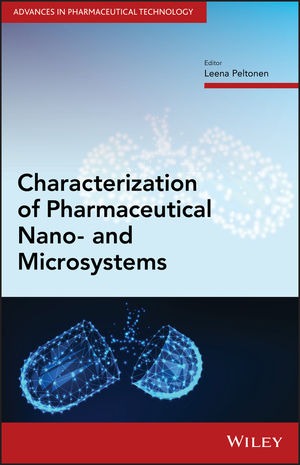
Offers readers a full understanding of the basic physicochemical characteristics, material properties and differences between micro- and nanosystems. It explains how and why greater experience and more reliable measurement techniques are required as particle size shrinks, and the measured phenomena grow weaker.
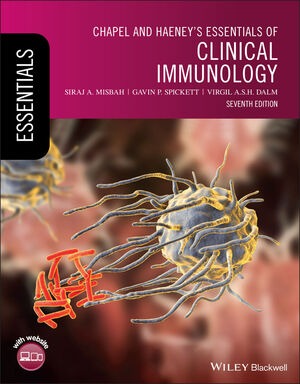
Contains the knowledge necessary to understand the diagnosis and treatment of immunological disorders. With easy-to-read text and a wealth of colour clinical images and diagrams, this well-regarded textbook introduces complex concepts using effective pedagogical tools such as bulleted lists, key point boxes, real-life case studies, practical examples, figures and tables, chapter introductions, and keywords in bold integrated in each chapter.
More than 90 papers give a summary of clinical and basic studies on cerebral vasospasm, including reviews by leading researchers in this field. Several new frontiers are proposed for future research directions that will not only promote research from neurosurgery and neurology but also from other interconnecting fields of emergency medicine, electrophysiology, molecular biology, and vascular biology.
Cerebral hemorrhage is a common and often fatal subtype of stroke. while in the past it has received relatively little attention compared to ischemic stroke, there have been major advances in our understanding of this devastating form of stroke. The papers by world experts cover the field from molecular biology to clinical trials.
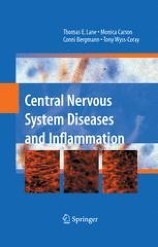
This volume serves as a succinct and well-organized reference volume focused on inflammatory CNS disease to a wide audience. The text is comprised of four sections revolving around current areas of interest in the fields of neuroimmunology, virology, pharmacology and disease. Sections of this text focus on a specific category of diseases as well as the pharmacological, virological, and immunological effects of and on the disease.Although many have covered this topic, few have provided a volume as concise and efficient. Each disease is broken down on a variety of scientific levels without getting into the history of the disease. This approach provides a succinct overview of a specific subject encompassing interrelated topics pertaining to neurology, immunology and disease. The information provided in Central Nervous System Diseases and Inflammation will be useful for researchers, clinicians, as well as a valuable resource for students interested in the fascinating arena of neuroinflammation.
This comprehensive volume, written by experts in the field, provides a current understanding of the molecular properties of the heat shock proteins and their roles in health and disease. Cell Stress Proteins includes advances in several aspects of stress protein research, with chapters ranging from basic studies of the role of heat shock proteins in protein folding to reviews examining the breakdown of stress protein regulation during disease. It also provides analysis of the biochemical and molecular properties of heat shock proteins which can be utilized in evaluating their role in human physiology and pathology. Cell Stress Proteins is an ideal book for researchers, clinicians, physicians, and graduate students in the fields of biochemistry, cell biology, microbiology, immunology, and genetics.
In this volume, the expression of specific adhesion molecules within human cancer tissues are highlighted. The expression signatures from published DNA microarray and immunohistochemistry studies are detailed. The concept that the alteration of specific adhesion molecules influence the cancer migration ability and cancer damage responses is detailed in this volume; both features are essential for the survival of an invading tumor cell. Defining the minimal adhesion receptors preserved on cancer cells during tumor progression will define the metastatic adhesion signature. Understanding the metastatic adhesion signature will reveal vulnerabilities that could be exploited for the prevention and/or eradication of the invading cancer cell.
This comprehensive volume, written by experts in the field, covers nearly all aspects of ongoing research related to the CD137 pathway. Recent research has shown that the manipulation of CD137 pathway molecules is very promising in the treatment of cancer, viral infection, transplantation rejection and autoimmune diseases in experimental animal models. The volume includes research related to the identification and understanding of functional consequences of CD137 receptor and ligand molecules which represents a major effort in the field of immunology. CD137 Pathway: Immunology and Diseases is an ideal book for immunologists, microbiologists, cancer researchers, molecular biologists, biochemists, and pharmaceutical and biotechnology company scientists.
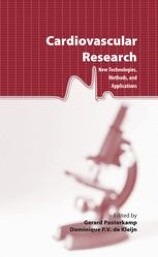
Cardiovascular Research: New Technologies, Methods & Applications serves as an essential reference material offering a complete overview of innovative new technologies, methods, and applications in current cardiovascular research. Cardiovascular Research: New Technologies, Methods & Applications presents a methods and applications approach to cardiovascular research written by prominent international researchers presenting commissioned summaries of cutting edge research.
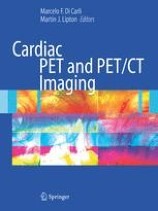
Cardiac PET and hybrid PET/CT have revolutionized the field of cardiovascular imaging and offer new options for diagnosis and management of patients with cardiac conditions. Cardiologists, radiologists, and nuclear medicine specialists must have an up-to-date reference in this rapidly changing field in order to most effectively utilize new technology in practice. Cardiac PET and PET/CT Imaging takes a step-by-step approach to PET and PET/CT instrumentation, imaging, and protocols. Beginning with imaging fundamentals and progressing through advanced discussion of specific applications, this book is a comprehensive source of cardiac PET and PET/CT information.
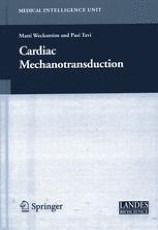
For about hundred years the investigation of heart physiology has had one central guiding principle, the "law" of Frank and Starling. This connects the return of blood into the heart and the blood pressure with cardiac con traction force. The "law" does it in a way that enables the cardiovascular system to react to perturbations without major malfunctions. This book is a compilation of reviews of prominent scientists on this subject. The differ ence of the original formulation of the Frank-Starling principle is that mechanotransduction is the central theme that leads the reader through the book. Since the discovery of the "law" the scope of topics related to this subject has broadened enormously, as can be seen easily by glancing at the contents of this book. Mechanotransduction in the heart has many faces that range from molecules to humans and their diseases.
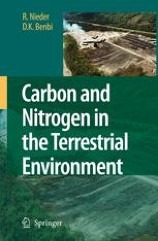
Carbon and Nitrogen in the Terrestrial Environment is a comprehensive, interdisciplinary description of C and N fluxes between the atmosphere and the terrestrial biosphere; issues related to C and N management in different ecosystems and their implications for the environment and global climate change; and the approaches to mitigate emission of greenhouse gases.Drawing upon the most up-to-date books, journals, bulletins, reports, symposia proceedings and internet sources documenting interrelationships between different aspects of C and N cycling in the terrestrial environment, Carbon and Nitrogen in the Terrestrial Environment fills the gap left by most of the currently available books on C and N cycling. They either deal with a single element of an ecosystem, or are related to one or a few selected aspects like soil organic matter (SOM) and agricultural or forest management, emission of greenhouse gases, global climate change or modeling of SOM dynamics.
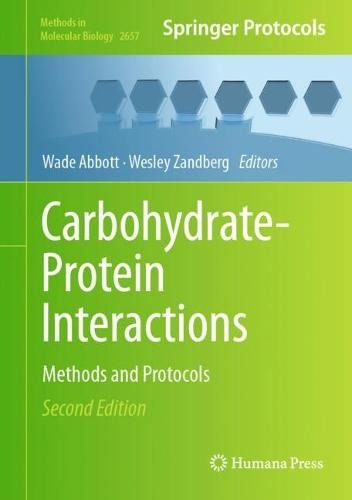
Provides new and updated tools for studying protein-carbohydrate interactions ranging from traditional biochemical methods to state-of-the-art techniques. This book focuses on four different research themes detailing methods for screening and quantifying CAZyme activity, investigating the interactions between proteins, carbohydrate ligands, methods for the visualization of carbohydrates, protein-carbohydrate complexes, structural and “omic” approaches for studying systems of CAZymes.
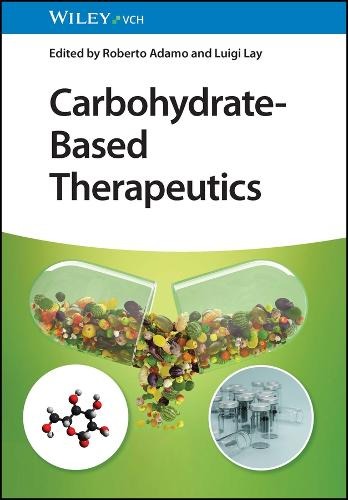
Explores new frontiers in carbohydrate-based therapeutic applications, utilizing a unique approach by providing a detailed background of diseases coupled with subsequent carbohydrate-based therapies. The link between chemistry and design of novel carbohydrate-based medicines is highlighted and a broad overview of all the potential applications of carbohydrates is given. Emphasis is laid on concepts used for carbohydrate drug design, structure– activity relationship, and impact on health and diseases. The text also discusses newer topics like nanoparticles, material science, and tissue generation.
this volume concentrates on the diseases, the physiological effects and therapeutic use of cannabinoids. The volume editor Prof. Mechoulam was the first who isolated the prime active constituent (THC, Tetrahydrocannabiol) of marijuana. He published extensively on the pharmacological activities of cannabinoids. The volume is of interest to researchers and clinicians from pharmacology, neuroscience, and medicinal research
The present book is an outstanding summary of many aspects of cannabinoid research. It represents a stepping-stone to many unsolved problems in biochemistry, pharmacology, physiology and the clinic. Perhaps it will help generate novel ideas, such as how to approach the scientific study of emotions.
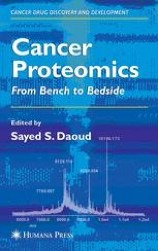
the authors collectively provide the current status of proteomics in cancer therapy and offers the existing technologies used in proteomics that allow for protein profiling and for the identification of druggable targets in human samples. Mass spectrometry based protein characterization and protein microarrays hold great promise of predicting response to specific drugs in cancer therapy. Insightful to the reader with broad perspectives on topics related to the use of proteomic strategies in cancer therapy, Cancer Proteomics offers anticipated challenges that may arise from its application in daily practice.
In Cancer Chemoprevention, Volume 2: Strategies for Cancer Chemoprevention, leading chemopreventives investigators comprehensively describe the exciting methodologies that are accelerating progress in the chemoprevention field and review the state of clinical development of preventive agents in the major human cancer target organs. The authors provide sound guidelines for cancer chemopreventive drug development, detailing general strategies and methods for drug discovery, preclinical efficacy, characterization of precancers, safety evaluation of clinical cohorts, and clinical trial design.
Updates knowledge on recent advances in computational and bioinformatics tools/techniques and their practical applications in modern drug design and discovery programme. Also it encompasses fundamental principles, advanced methodologies and applications of various CADD approaches including several cutting-edge areas / presenting recent developments covering ongoing trends in the field of computer-aided drug discovery. Having contributions by a global team of experts, the book is expected to be an ideal resource for drug discovery scientists, medicinal chemists, pharmacologists, toxicologists, phytochemists, biochemists, biologists, RandD personnel, researchers, students, teachers and those working in the field of drug discovery. It will fill the knowledge gaps that exist in the current CADD approaches and methodologies/ protocols being widely used in both academic and research practices. Further, a special focus on current status of various computational drug design approaches (SBDD, LBDD, De-novo drug design, Pharmacophore-based search), bioinformatics tools and databases, computational screening and modeling of phytochemicals/natural products, artificial intelligence and machine learning, and network pharmacology and system biology would certainly guide researchers, students or readers to conduct their research in the emerging area(s) of interest. It is also expected to be highly beneficial to different stakeholders working in the pharmaceutical and biotechnology industries (RandD), the academic as well as research sectors. .
A major objective of this book is to summarize the current status of Buruli Ulcer (BU) research for the first time. It will identify gaps in our knowledge, stimulate research and support control of the disease by providing insight into approaches for surveillance, diagnosis, and treatment of Buruli Ulcer. Book chapters will cover the history, epidemiology diagnosis, treatment and disease burden of BU and provide insight into the microbiology, genomics, transmission and virulence of Mycobacterium ulcerans.

سوريا - اتستراد درعا - غباغب
+963-15 2050 - 15 860 380 /1/2/3 - 11 662 3900