


تحسين النتائح
ترتيب حسب
من
الى

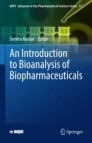
Provides a comprehensive review of the fundamental and practical aspects of bioanalytical support and the integral role it plays in the development of safe and efficacious biopharmaceutical drugs with speed and cost-effectiveness. Focuses on a broad range of conventional and emerging biopharmaceutical modalities including monoclonal antibody-based therapeutics, gene therapy, cell therapy, peptides and oligonucleotides.
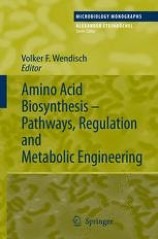
Amino Acids Biosynthesis presents the current knowledge of fundamental as well as applied microbiology of amino acids. Topics discussed are the amino acid biosynthetic pathways, their genetic and biochemical regulation, transport of amino acids and genomics of producing microorganisms. The characterization of the control mechanisms of amino acid biosynthesis has revealed insights into principles of genetic and biochemical regulation, such as transcriptional regulators and a new class of regulatory elements, the riboswitch. The volume further deals with the metabolic engineering of microorganisms for the biotechnological production of amino acids for use as pharmaceuticals and, particularly, as food and feed additives.
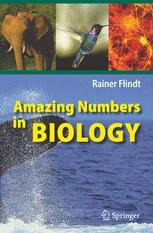
With hundreds of tables and over 10,000 entries anyone who works or studies in the life sciences or those with a curious mind will find exact answers to many questions requiring comparative data. This book is a clearly laid out presentation of the plain facts of life from all areas of biology. None of those figures or superlatives that might seem exotic to the layman is left out. Biology comes alive by this comprehensive references work.
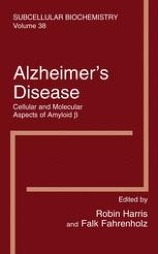
This book contains a survey of present-day research into the biomedical fundamentals of Alzheimer’s disease (AD). It contains 20 chapters dealing with widely ranging topics, all of which have a bearing upon the understanding and treatment of AD. Starting with a broad survey of the contribution that the various microscopical techniques (light microscopy, electron microscopy, atomic force microscopy)
Alzheimer’s Disease: Advances in Genetics, Cellular and Molecular Biology provides exciting, comprehensive and up-to-date summaries of the most important recent advances in the genetic, molecular, biochemical, and cell biological studies of AD. The studies and advances described in this volume will help to accelerate the process of rational drug discovery and soon serve to extend and enhance the mental health and lifespan of our burgeoning elderly population.
Few medical or scientific addresses have so unmistakeably made history as the presentation delivered by Alois Alzheimer on November 4th, 1906 in Tübingen. The celebratory event, "Alzheimer 100 Years and Beyond" organized on the initiative of the Alzheimer community in Germany and worldwide, in collaboration with the Fondation Ipsen, at the very site of the original lecture, namely the Institute of Psychiatry at the University of Tübingen in Germany from November 2nd to 5th, 2006, was the highlight of the Alzheimer Year. Over the last century of Alzheimer research (1906-2006), remarkable progress has been achieved. Most of the authors of the major discoveries and the people involved in research in this field will present, during the meeting and in this volume, the pioneering research explaining the conditions under which they were conducted. The goal of this book is to honor the work accomplished, to summarize the most important knowledge and to provide material for the history of science.
Splicing of primary RNA transcript, i.e. removal of introns and joining of exons to produce mature mRNAs competent for translation into proteins, is a quasi-systematic step of gene expression in higher organisms. However, this process is not unequivocal but can follow alternate pathways. Alternative splicing of a given transcript can therefore yield several distinct mRNAs encoding as many different proteins. Its full biological significance has not been appreciated until it was recognized that alternative splicing is so general as to affect about 75% of all human genes. Therefore, alternative splicing not only vastly increases protein diversity but also offers numerous opportunities for aberrant splicing events with pathological consequences.
Apart from diet and exercise, the strategic use of different classes of prescribed or non-prescribed xenobiotic compounds for the restoration of euglycemic levels in the body is well known. The ongoing rivalry between the recommended usage of allopathic medicines versus ayurvedic remedies has encouraged many researchers to focus their studies on thoroughly isolating and characterizing the extracts from different parts of plants and then evaluating their relative activities via in vitro, in vivo and in some cases clinical studies.

Provides a collection of protocols that will allow researchers to further explore the multiple, fascinating activities of Alpha-1 Antitrypsin (AAT) isoforms in innate immunity, and gene therapy. Written in the highly successful Methods in Molecular Biology series format, chapters include introductions to their respective topics, lists of the necessary materials and reagents, step-by-step, readily reproducible laboratory protocols, and tips on troubleshooting and avoiding known pitfalls.
This book provides a logical introduction to the limits for enzyme function as dictated by the factors that are limits for life. This book presents a complete description of all the mechanisms used for changing enzyme acticity. Eight enzymes are used as model systems after extensive study of their mechanisms. Wherever possible, the human form of the enzyme is used to illustrate the regulatory features.
This book reflects the rich personal experience of a German allergist with international training and reputation, who is active in immunology and allergy research and practice for almost 30 years. In this book, not only IgE-mediated allergic reactions are covered but all other kinds of allergies such as atopic eczema, contact dermatitis, drug eruptions, anaphylaxis and food allergies are equally represented as well as psychosomatic aspects and problems of environmental intolerances.

In this updated third edition of the critically-acclaimed volume, expert physicians assemble user-friendly, clinically-oriented guides to aid in the day-to-day management of the allergic patient. With an emphasis on common allergic diseases and the pharmacological tools to control them, Allergic Diseases: Diagnosis and Treatment, Third Edition disseminates the practical knowledge that practitioners have accumulated through practice and teaching in the field of allergy and immunology.

This book reports on the latest advances in allelopathy through the contributions of leading scientists in the field. The book addresses the history of allelopathy, the science of allelochemicals, and the application of allelopathy in agriculture and forestry. An emphasis on both methodology and application makes Allelopathy a truly practical reference for scientists, researchers and students of plant science, agriculture, forestry, terrestrial ecology and environmental science.
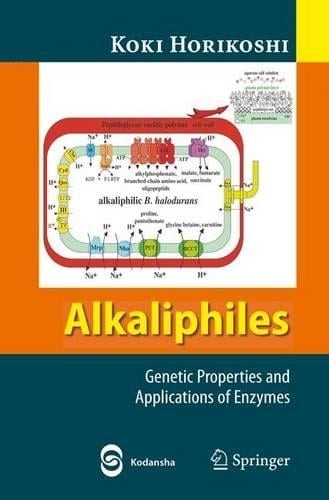
The pioneering work of Dr. Koki Horikoshi on the discovery, research and applications of alkaliphilic bacteria are described here in their entirety. The isolation, distribution and taxonomy of alkaliphilic microorganisms as well as their cell structure and physiology are discussed for a basic understanding of these entities. The molecular biology and genome sequencing of some alkaliphilic bacterial strains are also presented. Part II of the volume focuses on enzymes of alkaliphiles and their applications. These include alkaline proteases, starch-degrading enzymes and numerous others. Some of these enzymes are currently in wide commercial use as laundry detergent additives and in wastewater treatment. Alkaliphiles are a relatively recent field of research that will no doubt provide avenues to a wide range of further discoveries and applications for a new generation of workers in bioscience and technology.
Soft drinks with pHs lower than 4. 0 are subjected to minimum pasteuri- tion at 65 °C for 10 min as required by the Japanese Food Sanitation Law. Not only pathogenic bacteria but most spore-forming bacteria are unable to grow at this low pH condition, and thus reports of microbial spoilage in pasteurized acidic soft drinks are rare. Since 1982, when the spoilage of aseptically packed apple juice was - tributed to a new type of acidophilic spore-forming bacteria in Germany, a succession of similar complaints regarding other fruit juice concentrates and their products has been received. In the beginning, the bacteria were classified in the genus Bacillus, but later, in 1992, the new genus Ali- clobacillus was proposed owing to their characteristic cellular membranes containing omega-alicyclic fatty acids. A group of Alicyclobacillus strains, responsible for the tainting of fruit juices, was then described as A. a- doterrestris in 1999. They are acidophilic and grow preferably at around pH 4. 0. They are thermophilic and grow better at temperatures above 40 °C. This indicates that we might have been missing them by our or- nary methods of bacterial detection at pH 7. 0 and 35 °C.
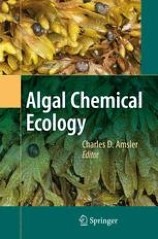
This is the first ever book devoted entirely to the chemical ecology of algae. Algae from both marine and freshwater habitats are covered, as are macroalgae (seaweeds) and microalgae (including phytoplankton). While its main emphasis is on the ecological rather than chemical aspects of the field, the book also includes a unique introductory chapter intended as a primer on algal natural products chemistry for ecologists. It elucidates the roles of chemical defenses in various regions and habitats, of DMSP, oxidative burst responses, and herbivore offense. Topics such as algal sensory chemical ecology and defenses against ultraviolet radiation are also treated, and an introduction to the chemical ecology of phytoplankton is provided.
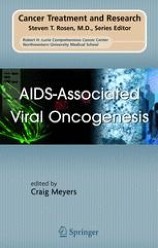
AIDS-associated viral oncology is a significant healthcare problem. Since the identification of human immunodeficiency virus (HIV)-associated acquired immune disease syndrome (AIDS), the role of viruses in human cancers has become acutely apparent over the past twenty years. The understanding and treatment of AIDS-associated cancers has become a major concern among healthcare organizations. Human cancers that were once rare in the population have now become common within the HIV infected population.
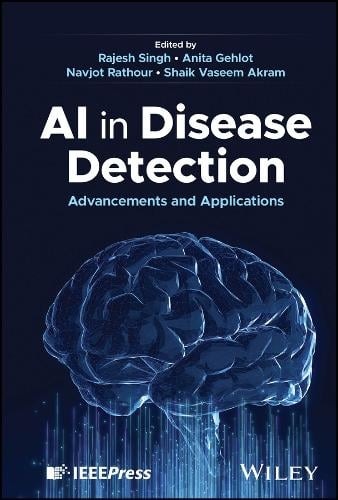
Discusses the integration of artificial intelligence to revolutionize disease detection approaches, with case studies of AI in disease detection as well as insight into the opportunities and challenges of AI in healthcare as a whole. The book explores a wide range of individual AI components such as computer vision, natural language processing, and machine learning as well as the development and implementation of AI systems for efficient practices in data collection, model training, and clinical validation.
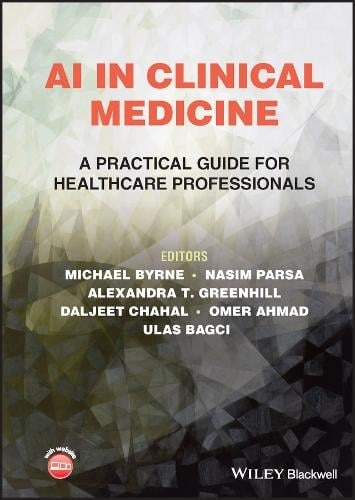
A Practical Guide for Healthcare Professionals is the definitive reference book for the emerging and exciting use of AI throughout clinical medicine. AI in Clinical Medicine: A Practical Guide for Healthcare Professionals is divided into four sections. Section 1 provides readers with the basic vocabulary that they require, a framework for AI, and highlights the importance of robust AI training for physicians. Section 2 reviews foundational ideas and concepts, including the history of AI. Section 3 explores how AI is applied to specific disciplines. Section 4 describes emerging trends, and applications of AI in medicine in the future.
There is wide agreement on the need to change the prevalent agricultural models, given their negative impacts and their incompatibility with current societal issues. Agroecological transition has been promoted as a potential solution to the ecological, social and economic problems generated by these models. It however involves a systemic, multi-scale and transdisciplinary process. Due to this complexity, the overall picture of what farms and food systems “actually are” and “might be” may not be apparent at the individual level. Yet individuals’ knowledge and values provide complementary insights on how to proceed in deepening ecological modernisation. Expertise can also provide landmarks to be considered in that process. Because local stakeholders’ experience and skills are key resources in the adaptation and adoption of agroecological transition, new conceptual and methodological frameworks and tools have to be developed to support them in the design process of such a complex transition. This book presents feedback from the ‘Territorial Agroecological Transition in Action’- TATA-BOX research project, which was devoted to these specific issues.

سوريا - اتستراد درعا - غباغب
+963-15 2050 - 15 860 380 /1/2/3 - 11 662 3900