


تحسين النتائح
ترتيب حسب
من
الى

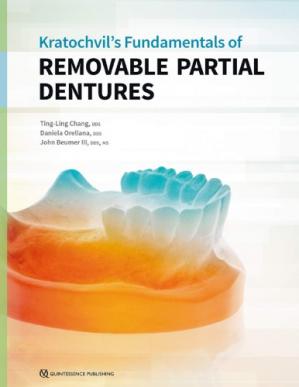
Provides an overview of the RPD design philosophy developed by Prof F. J. Kratochvil. His'RPI system'—a clasp assembly consisting of a rest, a proximal plate, and an I-bar retainer—changed how clinicians approach partial denture design. Topics in this book include RPD components and functions, design sequences for maxillary and mandibular RPDs, and techniques for surveying and determining the most advantageous treatment position. The authors provide illustrations of clinical cases throughout the book as well as an illustrated glossary of prosthodontic terminology. This book will prepare students and general practitioners to design and fabricate a biomechanically sound RPD framework for just about any dental configuration they encounter.
Describes the most commonly encountered endodontic complications and provides up-to-date information on their prevention and management. The opening chapters explain the importance of accurate diagnosis and treatment planning, outline the role of digital radiography and CBCT in managing complications, and highlight the need for close attention to anatomic landmarks in order to avoid damage to neurovascular anatomy. Endodontic problems associated with different procedural errors are then discussed in detail, covering a wide variety of access- and instrumentation-related complications and the difficulties that may arise when using obturation techniques. Readers will also find information on the endodontic–periodontal relationship, special issues in geriatric patients, and the potential medical emergencies and precautions in specific patient subsets.
The book has been well received internationally by a wide audience of clinicians, including general dentists, oral surgeons, otolaryngologists, primary care physicians, nurse practitioners, dental hygienists, physician assistants, and dermatologists, and sales have been strong among students and post-graduate residents training in medical, dental, and allied health fields, supporting the versatility of this work and serving as testimony to its value in both the academic and private practice arenas. Several key updates and improvements have been made to the second edition. All informational content has been updated to ensure accuracy and relevance, particularly in the rapidly evolving fields of oncology and pharmacology. A new chapter has been added entitled "Oral Sequelae of Cancer and Cancer Therapy" which better organizes and consolidates previous content while expanding on topics such as targeted therapies and hematopoietic stem cell transplantation. Additional clinical images have been included throughout the book so that the full clinical spectrum of any given condition is well-represented. Furthermore, the print quality, as well as the positioning and layout of the clinical images has been improved for optimal utility. Lastly, the summary boxes that follow each condition have been reconfigured with color-coded icons for improved definition, ease of use and cross-referencing.
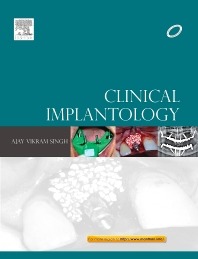
Provides all the new and relevant information of basic to advanced implantology for the undergraduate as well as postgraduate dental students. Current concepts of implantology are beautifully presented with illustrations and clinical cases making this book a complete literature for the dentists to learn the basic science and various advanced techniques of implantology like sinus grafting, nasal floor grafting, block grafting, ridge splitting, distraction osteogenesis, soft tissue grafting, ‘all-on-4’/‘all-on-6’ techniques and many more.
Deals with complete oral health, including prevention, treatment, and cure. This book provides readers with the latest updates on dental clinical concepts and practical management techniques. It is divided into four sections that contain in-depth chapters with concepts and techniques from the fields of oral medicine, periodontology, radiology, endodontics, restorative dentistry, dental trauma, and probability and sampling. It is a compendium of work by internationally recognized oral clinicians and public healthcare leaders in dentistry. It presents updates on some of the most pertinent issues within the practice of dentistry, such as regenerative endodontic procedures, the unique role of radiographs, recognition of child abuse, and dental statistics.
Individual cases cover temporomandibular joint disorders, masticatory muscle disorders, headache, neuropathic pain, dental pain, tooth wear, and dystonia. Following the popular Clinical Cases series style, cases are presented with associated academic commentary, including background information, diagnostic criteria and fundamental points that might influence the diagnosis, treatment planning or management of the case.

This book combines explanation of the scientific base underpinning vital pulp treatment with description of current and emerging trends in clinical practice. It guides the reader through modern views on pulp diagnostics, deep caries, and pulp exposure management, leading to an analysis of the biological aspects of regenerative techniques such as angiogenesis, neurogenesis, inflammation, and epigenetics.
Encompasses a wide range of disciplines, covering everything from dental materials and biomaterials to preventive and therapeutic strategies, from clinical applications to regenerative dentistry.We envision this milestone as a stepping stone toward even greater accomplishments. Through the collaboration and collective efforts of researchers worldwide, we strive to push the boundaries of dental science, explore new frontiers, and improve oral health outcomes for individuals across the globe.
includes 22 new codes, 14 revisions, and 2 deleted codes across 8 categories. This edition also includes seven new codes adopted in March 2022 related to COVID-19 vaccine administration. Other highlights in CDT 2023 include new and revised codes for: Intraoral tomosynthesis and 3D surface scans; HPV vaccine administration; Guided tissue regeneration; Intraoral radiograph images; Gingival flap procedures; Full mouth debridement; Gingival irrigation.

This book describes all methods of bone management currently employed within the field of dental implantology, with the aim of equipping oral surgeons and other practitioners with a sound practical understanding of bone augmentation. Readers will find clear guidance on diagnosis and treatment planning and helpful discussion of the basic principles of bone augmentation.
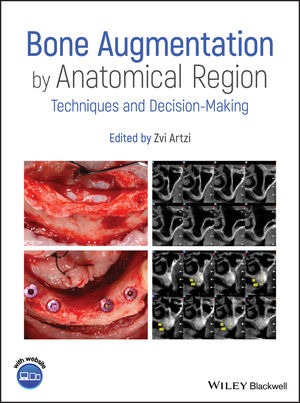
It's a unique, evidence-based guide focusing on each specific anatomical region – anterior maxilla, posterior maxilla, anterior mandible, and posterior mandible – in order to emphasize the correct implemented procedures needed to successfully perform oral osseous reconstruction.
This book examines all aspects of the progress being made towards the development of highly specific and sensitive biomarkers that will overcome the shortcomings of clinical assessments in periodontics. Readers will find the book to be an ideal summary of the state of the art in the field as biomarkers emerge that promise to facilitate periodontal diagnostics and permit timely, personally tailored interventions.
Presents the current knowledge and understanding of the biological processes involved in the orthodontic movement of teeth and discusses recent progress in the field. It links research advances to their immediate clinical applications and offers researchers and clinicians a state of the art reference on topical issues relating to orthodontic tooth movement.
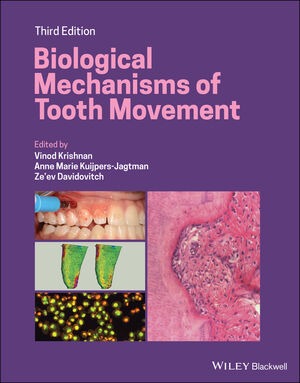
Cover subjects such as: The development of biological concepts in orthodontics, including the cellular and molecular biology behind orthodontic tooth movement Mechanics meets biology, including the effects of mechanical loading on hard and soft tissues and cells, and biological reactions to temporary anchorage devices Inflammation and orthodontics, including markers for tissue remodeling in the gingival crevicular fluid and saliva Personalized diagnosis and treatment based on genomic criteria, including the genetic influences on orthodontic tooth movement Rapid orthodontics, including methods to accelerate or decelerate orthodontic tooth movement Perfect for residents and PhD students of orthodontic and periodontal programs, Biological Mechanisms of Tooth Movement is also useful to academics, clinicians, bone biologists, and researchers with an interest in the mechanics and biology of tooth movement.
Presents a focused overview of biocompatible nanocomposites, emphasizing recent advancements in material design, synthesis techniques, and their expanding applications in biomedicine. It spans key areas such as regenerative medicine, drug delivery, cancer therapy, biosensing, diagnostic imaging, and vaccine delivery —illustrating how these materials are transforming modern healthcare. The book reviews widely used biomaterials including polycaprolactone, bioactive ceramics, and polymer-based hybrids, discussing their roles in cardiovascular, orthopedic, dental, maxillofacial, and ophthalmic applications.
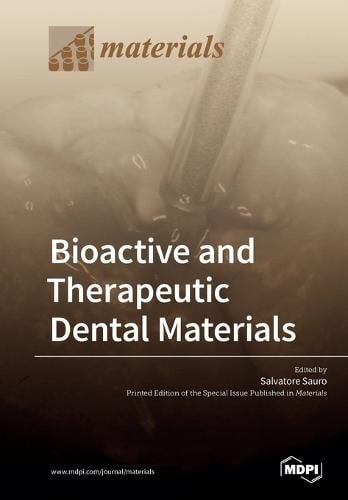
Special attention has been given to bioactive materials developed to induce cells differentiation/stimulation, hard tissue formation and exert antimicrobial actions. New innovations are necessary to continue to help reinforcing existing technologies and to introduce new paradigms for treating dental disease and restoring teeth seriously compromised by caries lesions via biomimetic and more biological operative approaches. Dental bioactive materials is arguably the latest research area in dentistry and thus the amount of new research is overwhelming. However, in this day and age of evidence based practice it important for this new information to be distilled into a practical and understandable format.
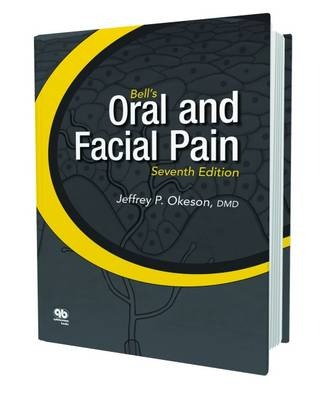
Includes advanced understanding of the neurophysiology and central processing of pain and the resulting changes to diagnostic, classi cation, and treatment guidelines. To assist clinicians in the dif cult and often complicated task of managing patients suffering from oral and facial pain, this textbook provides documented information concerning pain and pain behavior so that one may better understand what pain is, how it behaves, and how it might best be managed; develops a useful classi cation of orofacial pain disorders; offers practical diagnostic criteria by which the different orofacial pain disorders can be identi ed on a clinical level; and suggests guidelines for the effective management of patients who suffer from pain in the region of the mouth and face.

Helps oral implantologists to understand the principles that underlie the use of basal implants as a means to provide simple solutions to complex and highly demanding clinical situations without the need for prior bone grafting.
Gives university students as well as established healthcare professionals an understanding of how they can assist autistic patients in clinical settings. This book providing strategies that aspiring and established healthcare professionals can use to make their clinical workplaces more accommodatingfor autistics and their familiesand present a synopsis of the literature about the challenges and experiences that autistic patients have had in dental and medical settings.
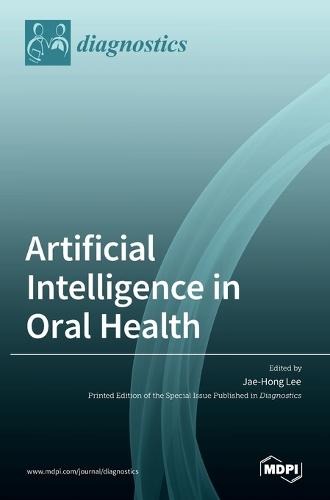
Intended to lay the foundation of AI applications focusing on oral health, including general dentistry, periodontology, implantology, oral surgery, oral radiology, orthodontics, and prosthodontics, among others.

سوريا - اتستراد درعا - غباغب
+963-15 2050 - 15 860 380 /1/2/3 - 11 662 3900