


تحسين النتائح
ترتيب حسب
من
الى

A comprehensive and authoritative exploration of Tempol (4-Hydroxy-TEMPO), an exceptional chemical compound with diverse applications in both scientific research and medical practice. This book delves into Tempol's unique properties, mechanisms of action, and its potential role in combating oxidative stress-related disorders. Includes a chapter devoted to the safe handling, storage, and disposal of Tempol in compliance with pharmaceutical regulations. The authors pay particular attention to pharmaceutical regulations in the industry.
Medical information science requires analytic tools. This is achieved by developing and assessing methods and systems for the acquisition, processing, and interpretation of patient data, aided by scientific discovery. Cancer Informatics in Post-Genomic Era provides both the necessary methodology and practical information tools.Key challenges include integrating research and clinical care, sharing data, and establishing partnerships within and across sectors of patient diagnosis and treatment.Addressing important clinical questions in cancer research will benefit from expanding computational biology.
The text walks the reader through the basics of MRI, making it especially accessible to beginners. From a detailed outline of equipment prerequisites for obtaining high quality breast MRI to instructions on how to optimize image quality, expanded discussions on how to obtain optimized dynamic information.
This book provides an overview of the most recent techniques, agents and approaches for breast cancer that contribute to the individualization of treatment. Current biomedical research focuses on facilitating the transfer of molecular biology knowledge into the clinical management of patients, leading to increased survival as well as improved quality of life. Particular attention is given in this book to organ-specific tailored approaches, specific populations, patients’ preferences and rehabilitation.
Despite the increasing awareness that neural mechanisms are the primary cause of cardiac disease and its progression, therapy continues to focus on end-organ protection and does not approach the neural core of the problem. Growing public health problems such as heart failure are still treated with autonomic drugs that are 30-40 years old and simply act on cardiac receptors. However, it has now been shown that the progression of ischemic heart disease to heart failure is mainly due to abnormal central responses to incipient cardiac disease, with neural activation the primary cause rather than the consequence of cardiac remodeling.
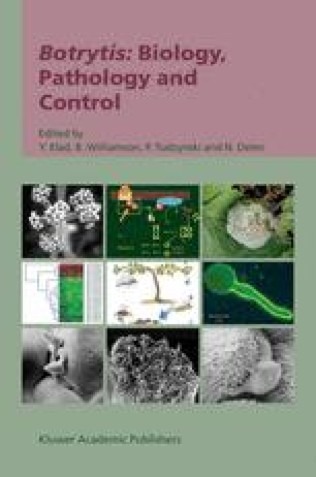
The book is the result of intensive work of 43 authors, all of them leading scientists in the Botrytis sciences. New technologies have arisen that when applied to long-standing problems or to test new hypotheses have been most rewarding and many of these are covered in this book.

Since the terrorist attack on the United States on September 11, 2001 and subsequent cases of anthrax in Florida and New York City, attention has been focused on the threat of b- logical warfare and bioterrorism. Biological warfare agents are de?ned as “living org- isms, whatever their nature, or infected material derived from them, which are used for h- tile purposes and intended to cause disease or death in man, animals and plants, and depend for their efforts on the ability to multiply in person, animal or plant attacked.” Biological warfare agents may be well suited for bioterrorism to create havoc and terror in a civilian population, because they are cheap and easy to obtain and dispense. Infectious or contagious diseases have played a major part in the history of warfare – deliberately or inadvertently – in restricting or assisting invading armies over the centuries. In 1346, the Tartars catapulted plaque-infected bodies into Kaffa in the Crimea to end a 3-year siege. Blankets contaminated with smallpox to infect North American Indians were used by British forces in the 18th century. More recently, the Japanese released ?eas infected with plaque in Chinese cities in the 1930s and 1940s. Biological research programs for both offensive and defensive strategies have been developed by the United States, Britain, the former Soviet Union, and Canada; several other nations are thought to have such programs.
Covers critically investigated information on medicinal plants prioritized for their anti-allergy properties. It offers insights into strategies related to the distribution, mechanism of action, and assessment of antiallergic medicinal plants, and also delves into crucial aspects of modern biotechnological tools, addressing their implementation challenges, presenting innovative approaches through case studies, and exploring opportunities for nanotechnologies. These elaborated discussions aim to raise awareness and bridge the gap between human health and the biodiversity of antiallergic medicinal plants.
This book offers 19 detailed protocols on the use of induced mutations in crop breeding and functional genomics studies, which cover topics including chemical and physical mutagenesis, phenotypic screening methods, traditional TILLING and TILLING by sequencing, doubled haploidy, targeted genome editing, and low-cost methods for the molecular characterization of mutant plants that are suitable for laboratories in developing countries. The collection of protocols equips users with the techniques they need in order to start a program on mutation breeding or functional genomics using both forward and reverse-genetic approaches. Methods are provided for seed and vegetatively propagated crops (e.g. banana, barley, cassava, jatropha, rice) and can be adapted for use in other species.
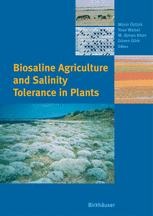
This volume focuses on reclamation, management, and utilization of salt-affected soils, their sustainable use, and evaluation of plants inhabiting naturally occurring saline habitats. It is of interest to scientists and students as well as to agricultural institutions and farmers and will undoubtedly raise the scientific community's awareness of, and interest in salinity issues.
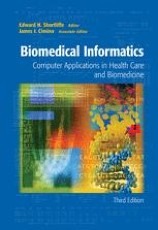
This series is directed to healthcare professionals who are leading the transformation of health care by using information and knowledge. Launched in 1988 as Computers in Health Care, the series offers a broad range of titles: some addressed to specific prof- sions such as nursing, medicine, and health administration; others to special areas of practice such as trauma and radiology.
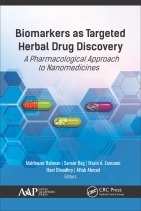
Looks at the applications of biomarkers as important tools for herbal drug discovery, presenting research on phytoconstituents with advanced nanotechnological applications for healthcare benefits. Herbal drug discovery based on biomarkers is an emerging area in complementary and alternative medicine that has tremendous potential in healthcare. Conventional medications have limited efficacy and high toxicity, whereas herbal drugs are said to provide wide structural diversity that is not usually seen with conventional/synthetic drug molecules. Recognition of various herbal constituents, such as terpenoids, fatty acids, flavonoids and steroids, are well explored in the management and treatment of various disorders in this volume. These agents target various biomarkers such as nitric oxide (NO), cytokines, chemokines, adhesion molecules, NF- kβ, lipoxygenase (LOX), and arachidonic acid. Reviews the literature on inflammatory biomarkers in the treatment of diseases Looks at the development of herbal drug discovery based on biomarkers Explores emerging concepts of nanomedicines for herbal drug delivery Takes an interdisciplinary approach, with application to disciplines related to medical, pharmaceutical, biotechnological, Ayurvedic, Unani and biomedical engineering fields

"The volume is well illustrated and certainly realizes the primary aim of "The Mycota", namely to highlight developments in both basic and applied research into fungal systems." (Microbiology Today) "The Editors´ aim 'to provide a selected sampling of contemporary topics at the forefront of fungal cell biology' has certainly been achieved. Indeed, it is hard to imagine any mycologist not finding something fascinating in each of the chapters. ... Further, the volume is packed with material that will be extremely useful for those presenting basic courses in mycology - especially because of the many fine explanatory line drawings." (Mycological Research)
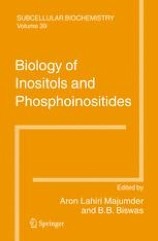
This volume describes the current status of the biology of inositols and phosphoinositides with an emphasis on the development in the area since the publication of volume 26 in 1996 in this series. The progress made in dissecting the genetics, structure and evolution of the seminal enzyme for synthesis of inositol in the biological system has driven the understanding of the enzyme forward. With the current genomic and proteomic tools in place the new role of inositols, inositol phosphates and phosphoinositides in cell signaling or stress response has been explored. These advances are described.
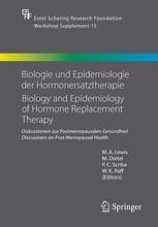
The advantages and disadvantages of hormone replacement therapy (HRT) are discussed by a group of experts with regard to the epidemiological evidence. However, the focus of the discussion is the problem of breast cancer risk. Among other things, it is shown that the results derived from epidemiological studies do not coincide with the growth characteristics of these tumors, so that further population studies with the inclusion of pathobiological expertise appear necessary. The benefits and risks of hormone replacement therapy (HRT) are discussed by a group of experts with a view towards the evidence provided by recent epidemiological studies. Although all aspects of HRT indications and contra-indications are reviewed, the particular emphasis of this discussion is on breast cancer. Among other things, it is shown that the evidence on breast cancer provided in epidemiological studies does not match the growth characteristics of the tumors, and that further population research incorporating pathobiological assessments is required.

This book presents a comprehensive account of all aspects of biological invasions in South Africa, where research has been conducted over more than three decades, and where bold initiatives have been implemented in attempts to control invasions and to reduce their ecological, economic and social effects.
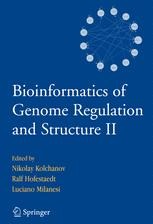
The conference was organized by the Laboratory of Theoretical Genetics, Institute of Cytology and Genetics, Siberian Branch of the Russian Academy of Sciences, Novosibirsk, Russia. The material covers the most recent topics in bioinformatics, including (i) regulatory genomic sequences: databases, knowledge bases, computer analysis, modeling, and recognition; (ii) large-scale genome analysis and functional annotation; (iii) gene structure detection and prediction; (iv) comparative and evolutionary genomics; (v) computer analysis of genome polymorphism and evolution; computer analysis and modeling of transcription, splicing, and translation; structural computational biology: structure- function organization of genomic DNA, RNA, and proteins; (vi) gene networks, signal transduction pathways, and genetically controlled metabolic pathways: databases, knowledge bases, computer analysis, and modeling; principles of organization, operation, and evolution; (vii) data warehousing, knowledge discovery and data mining; and (viii) analysis of basic patterns of genome operation, organization, and evolution.
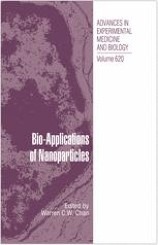
In this edited book, we highlight the central players in the Bionanotechnology field, which are the nanostructures and biomolecules. The book starts by describing how nanostructures are synthesized and by describing the wide variety of nanostructures available for biological research and applications. Also shown are the techniques used to synthesize a wide variety of biological molecules. Next, there is a focus on the assembly of nanostructures with biological molecules, which could lead to the design of multi-functional nanosystems. In the following chapters, examples of the unique properties of nanostructures are provided along with the current applications of these nanostructures in biology and medicine. Some applications include the use of gold nanoparticles in diagnostic applications, quantum dots and silica nanoparticles for imaging, and liposomes for drug delivery. In the final chapters of the book, the toxicity of nanostructures are described. This book provides broad examples of current developments in Bionanotechnology research and would be an excellent introduction to the field.
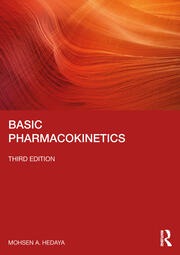
Introduces basic pharmacokinetic concepts to beginner learners to help them understand the absorption, distribution, metabolism, and excretion of drugs. Accompanying the book is a website with self-instructional tutorials and pharmacokinetic and pharmacokinetic-pharmacodynamic simulations, allowing visualization of concepts for enhanced comprehension. This learning tool received an award from the American Association of Colleges of Pharmacy for innovation in teaching, making it a valuable supplement to this essential text.
Concise and up-to-date coverage of the most important drugs Integration of experimental and clinical pharmacology with focus on diseases Discusses the most important drugs (400) in the context of relevant diseases. Summary tables and schemes, MCQ exam questions, case studies and a list of drugs aid memorization of the material before an exam. All chapters are written in the same concise style and use a modern and precise pharmacological nomenclature. After reading of the book, the student will be able to critically assess the proper use of the most important drugs and advise patients properly. The didactic concept of the book has been developed on the author’s own pharmacology courses for which he has received numerous teaching awards. The book takes advantage of the learning spiral, in which material is presented repeatedly from various angles.

سوريا - اتستراد درعا - غباغب
+963-15 2050 - 15 860 380 /1/2/3 - 11 662 3900