


تحسين النتائح
ترتيب حسب
من
الى


Springer Handbook of Enzymes provides data on enzymes sufficiently well characterized. It offers concise and complete descriptions of some 5,000 enzymes and their application areas. Data sheets are arranged in their EC-Number sequence and the volumes themselves are arranged according to enzyme classes. This new, second edition reflects considerable progress in enzymology: many enzymes are newly classified or reclassified. Each entry is correlated with references and one or more source organisms. New datafields are created: application and engineering (for the properties of enzymes where the sequence has been changed). Springer Handbook of Enzymes is an ideal source of information for researchers in biochemistry, biotechnology, organic and analytical chemistry, and food sciences, as well as for medicinal applications.
Guide readers through circular RNA purification, in silico characterization, circRNA detection, sequence validation, quantification , techniques related to gain- and loss-of-function approaches, circular RNA synthesis, split ligation, engineering, nanoparticle packaging, RNA modifications on circular RNA biogenesis, RNA translation potential, and vaccines based on circular RNAs.
This volume includes timely reviews of several aspects of chromatin biology written by scientists at the forefront of this rapidly moving field. Topics covered include the structure and function of protein modules within chromatin-remodeling proteins, newly characterized histone modifications (methylation, ubiquitylation) and their functional consequences, transcription and histone dynamics, roles of chromatin remodeling factors in DNA replication and repair, and current models of nucleosome-remodeling mechanisms.
This comprehensive volume, written by experts in the field, covers nearly all aspects of ongoing research related to the CD137 pathway. Recent research has shown that the manipulation of CD137 pathway molecules is very promising in the treatment of cancer, viral infection, transplantation rejection and autoimmune diseases in experimental animal models. The volume includes research related to the identification and understanding of functional consequences of CD137 receptor and ligand molecules which represents a major effort in the field of immunology. CD137 Pathway: Immunology and Diseases is an ideal book for immunologists, microbiologists, cancer researchers, molecular biologists, biochemists, and pharmaceutical and biotechnology company scientists.
The cardiovascular system transports oxygen and nutrients to all parts of the body; therefore, any impediment to this system through, for example, a circulatory disorder, represents a serious threat to organs, tissues, and cells. Obstructive diseases of vessels with a diameter of more than 1 mm can be treated by conventional surgical and interventional approaches; however, blockages in small vessels with a diameter of less than 1 mm cannot be treated by conventional methods. As a consequence, therapeutic ang- genesis and vasculogenesis for the treatment of ischemic diseases have been widely studied in the last decade. These methods may contribute to the re pair of intractable cardiovascular diseases with a main vascular involvement in the body's smallest vessels. In this book, Hikaru Matsuda and I have tried to summarize recent Japanese developments in the field of cardiovascular regeneration therapies using tissue engineering.
Despite the increasing awareness that neural mechanisms are the primary cause of cardiac disease and its progression, therapy continues to focus on end-organ protection and does not approach the neural core of the problem. Growing public health problems such as heart failure are still treated with autonomic drugs that are 30-40 years old and simply act on cardiac receptors. However, it has now been shown that the progression of ischemic heart disease to heart failure is mainly due to abnormal central responses to incipient cardiac disease, with neural activation the primary cause rather than the consequence of cardiac remodeling.
This book introduces fundamental concepts, methods, and advances in the areas of dissolution, absorption, and permeability and their key applications in dosage form performance. Case studies are used to discuss the applications of biopharmaceutic strategies in the development of successful drugs, with a specific focus on the applications of biopharmaceutic strategies in the development of successful drugs. The book presents an integrated view in linking pharmaceutic to the biological consequences of drug products and leverages those for decision making in drug development.

Man’s recent colonization of New Zealand has dramatically altered the resident biota and resulted in the introduction of numerous alien organisms to these once remote islands. In reverse, there is increasing evidence of a lesser known export of species to other regions of the world. This volume presents an in-depth review of the level and rate of such invasions, and investigates what controls the success of invaders and the consequences for ecosystems both on land and offshore. It provides invasion biologists everywhere with tests of current theories about those factors leading to the success of invaders as well as evaluating principles for understanding the nature of their impacts that form a solid basis for the effective management of biological invasions worldwide.
The conference was organized by the Laboratory of Theoretical Genetics, Institute of Cytology and Genetics, Siberian Branch of the Russian Academy of Sciences, Novosibirsk, Russia. The material covers the most recent topics in bioinformatics, including (i) regulatory genomic sequences: databases, knowledge bases, computer analysis, modeling, and recognition; (ii) large-scale genome analysis and functional annotation; (iii) gene structure detection and prediction; (iv) comparative and evolutionary genomics; (v) computer analysis of genome polymorphism and evolution; computer analysis and modeling of transcription, splicing, and translation; structural computational biology: structure- function organization of genomic DNA, RNA, and proteins; (vi) gene networks, signal transduction pathways, and genetically controlled metabolic pathways: databases, knowledge bases, computer analysis, and modeling; principles of organization, operation, and evolution; (vii) data warehousing, knowledge discovery and data mining; and (viii) analysis of basic patterns of genome operation, organization, and evolution.
Includes a description of the Alpha-, Beta-, Delta-, and Epsilonproteabacteria (1256 pages, 512 figures, and 371 tables). This large taxa include many well known medically and environmentally important groups.
Includes a description of the Gammaproteobacteria (1203 pages, 222 figures, and 300 tables). This large taxon includes many well known medically and environmentally important groups.

Protection and Repair presents recent developments in auditory research and their potential translation to the clinical setting. In particular the authors address the major entities of peripheral auditory trauma, discuss the underlying mechanisms, the central nervous system consequences, protective interventions and finally explore the possibilities to restore cochlear morphology and function.Two themes run through the chapters in this book: cellular homeostasis and cell death. In the broadest sense, all auditory pathologies are disorders of cellular homeostasis.
In this book, anyone who can operate a PC, standard software and the Internet will learn to understand the biological basis of bioinformatics of the existence as well as the source and availability of bioinformatics software how to apply these tools and interpret results with confidence.This is aided by introductory chapters to important aspects of bioinformatics, detailed bioinformatics exercises, including solutions and a glossary of definitions and terminology relating to bioinformatics.
This unique book assembles contributions from experts around the world concerned with responsible use of antibiotics and the consequences of overuse. For the first time, it provides up to the minute texts on both the theoretical aspects of antibiotic stewardship and the practical aspects of its implementation, with consideration of the key differences between developed and developing countries
This volume provides an overview of climate change data, its effects on the structure and functioning of Antarctic ecosystems, and the occurrence and cycling of persistent contaminants. It discusses the unique physico-chemical characteristics of the Antarctic environment, ecophysiological adaptations of terrestrial and marine organisms, the transfer of contaminants in pelagic and neritic food chains and the possible consequences for animals at higher trophic levels.
Anemia is found in approximately 80% of elderly patients, most often caused by chronic disease and iron deficiency. Hemopoiesis is a crossroad for many aging-related events.Why do older patients become anemic When should a diagnostic work up of anemia be initiated in the older person? What are the clinical consequences of anemia? Can the treatment of anemia delay aging? Have erythropoietic growth factors played a role in age-related anemia? Who should receive an erythropoietin stimulating agent?When should the suspicion for Myelodysplastic Syndrome be ruled out and what are the clues?This book addresses these and many other important questions with a review of the most recent findings.
Splicing of primary RNA transcript, i.e. removal of introns and joining of exons to produce mature mRNAs competent for translation into proteins, is a quasi-systematic step of gene expression in higher organisms. However, this process is not unequivocal but can follow alternate pathways. Alternative splicing of a given transcript can therefore yield several distinct mRNAs encoding as many different proteins. Its full biological significance has not been appreciated until it was recognized that alternative splicing is so general as to affect about 75% of all human genes. Therefore, alternative splicing not only vastly increases protein diversity but also offers numerous opportunities for aberrant splicing events with pathological consequences.
Agricultural research is one of the most widespread forms of organized research in the world, in both developed and developing countries. Management of agricultural research involves many decisions that have scientific, social and political consequences. Every country has established agricultural research priorities based on many complex factors that must be considered when decisions are made on the choice of research problems to be investigated. Resources must be divided among projects that often compete for the limited funding available that supports the total research enterprise.
The integration of endocrinology in critical care medicine has led to new experimental and clinical data on the complex endocrine and metabolic derangements accompanying non-endocrine severe illnesses. The joining of these two disciplines has generated important novel insights with significant clinical implications. Acute Endocrinology: From Cause to Consequence compiles these new findings into an important and highly relevant new resource.
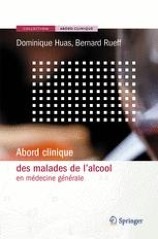
Les médecins généralistes sont destinataires d’un grand nombre d’informations sur l’alcool, son usage et ses conséquences pathologiques immédiates ou potentielles. Ces connaissances, émanant de médecins le plus souvent hospitaliers et spécialisés, ont conduit à des recommandations destinées à guider les médecins généralistes dans le repérage des malades de l’alcool et leur prise en charge thérapeutique. Cependant, la pertinence et l’applicabilité de la plupart de ces recommandations sont peu ou mal évaluées dans la pratique de la médecine générale. De ce fait, les médecins généralistes, parfois à l’encontre des recommandations, sont amenés à élaborer des concepts et des pratiques propres à leur clientèle et à leurs conditions de travail. L’originalité de ce livre vient de la confrontation des connaissances et des pratiques de deux médecins, soignant des malades de l’alcool dans des structures différentes.

سوريا - اتستراد درعا - غباغب
+963-15 2050 - 15 860 380 /1/2/3 - 11 662 3900