


تحسين النتائح
ترتيب حسب
من
الى

Keeping up with these statistics means improving on traditional concepts of palliative care to meet growing demands. Choices in Palliative Care brings together 31 leading experts to spotlight core issues in the field, identify ways PC can fill gaps in current care systems, and demonstrate state-of-the-art care that is both cost-effective and clinically appropriate. This far-sighted volume redefines palliative care as interdisciplinary and integrative, providing liaisons between patients, families, and doctors; minimizing loved ones’ care burdens; bridging acute and long-term care to respond to clients’ evolving needs; adaptable to non-fatal (and possibly curable) chronic illnesses.
More than 90 papers give a summary of clinical and basic studies on cerebral vasospasm, including reviews by leading researchers in this field. Several new frontiers are proposed for future research directions that will not only promote research from neurosurgery and neurology but also from other interconnecting fields of emergency medicine, electrophysiology, molecular biology, and vascular biology.
Although inflammatory disease of the vascular bed of the lung is a major cause of morbidity and mortality in both adult and pediatric age groups, the importance of vascular biology to its understanding, and in developing novel therapeutics, has been overlooked. In Cell Signaling in Vascular Inflammation, leading basic and clinical researchers review the signal transduction mechanisms responsible for lung inflammation, including vascular hyperpermeability, white cell accumulation, and vascular remodeling. The authors cut across disciplines to bring together a broad-based presentation of inflammatory challenge, both in the initial phases of the inflammatory response, as well as in the more prolonged phase of genomic involvement.

Cancer Morbidity and mortality result from invasive and metastatic spread. Currently, no therapies are aimed at the underlying mechanisms that enable this progression due to only nascent recognition of the distinct biology which occurs only during tumor dissemination. Recent advances have highlighted the central role of cell motility during the dynamic and transient process of tumor invasion and metastasis. This book includes state-of-the-art updates by international leaders in these studies. Chapters first present the novel model systems that enable new investigations and insights. Chapters then describe in depth the key processes and molecules that may be therapeutically targeted. Finally, the role of cell motility and its signals is explored in a number of key tumor types. This compilation should be useful to researchers in basic and translational oncology as well as those developing novel agents to prevent tumor invasion and metastasis.
Cartilage Repair Strategies is a comprehensive update of the present state of cartilage repair and regeneration. The information in this volume addresses what methods are effective, what methods are safe, and what methods will lead to an alteration in the short history of articular cartilage injury repair. Contributors present examinations of a variety of topics including the structure and function of articular cartilage, the evaluation of cartilage repair techniques, and the latest cartilage sensitive imaging techniques.
This book is an instrument for deepening their knowledge of this condition and its management. It can be considered a moment for reflection on a condition that is erroneously considered simple to treat and easy to resolve. The surgical chapters compare various complications as well as various conservative and rehabilitative treatment options, thus underlining that this condition must not be underestimated. Incorrect treatment can have many negative ramifications: not only that the patient is dissatisfied but it can also lead to the hand’s functional loss and render the patient an invalid.
For about hundred years the investigation of heart physiology has had one central guiding principle, the "law" of Frank and Starling. This connects the return of blood into the heart and the blood pressure with cardiac con traction force. The "law" does it in a way that enables the cardiovascular system to react to perturbations without major malfunctions. This book is a compilation of reviews of prominent scientists on this subject. The differ ence of the original formulation of the Frank-Starling principle is that mechanotransduction is the central theme that leads the reader through the book. Since the discovery of the "law" the scope of topics related to this subject has broadened enormously, as can be seen easily by glancing at the contents of this book. Mechanotransduction in the heart has many faces that range from molecules to humans and their diseases.
The volume offers a synthetic and updated picture of a complex topic that includes the multifactorial etiopathogenesis of cervical cancer, the characteristics of the virus, the dynamics of HPV infections, the histological lesions of the cervix leading to cervical cancer. and the characteristics of the various surgical treatments, the current strategies for early diagnosis through the use of molecular assays currently on the market, up to the trials of the two vaccines recently registered also in Italy.
In Cancer Drug Resistance, leading scientists from the best academic institutions and industrial laboratories summarize and synthesize the latest discoveries concerning the changes that occur in tumor cells as they develop resistance to a wide variety of anticancer therapeutics, as well as suggest new approaches to the biology of drug resistance that may afford new therapeutic opportunities.
In Cancer Chemoprevention, Volume 2: Strategies for Cancer Chemoprevention, leading chemopreventives investigators comprehensively describe the exciting methodologies that are accelerating progress in the chemoprevention field and review the state of clinical development of preventive agents in the major human cancer target organs. The authors provide sound guidelines for cancer chemopreventive drug development, detailing general strategies and methods for drug discovery, preclinical efficacy, characterization of precancers, safety evaluation of clinical cohorts, and clinical trial design.

This book comes after several decades of outstanding and successful research that has helped ameliorate some of the most important and controversial fisheries issues in the world – those associated with the unwanted wastage of fish from by-catch and discarding. The 8 chapters encompass contributions from 27 of the world’s leading experts in by-catch reduction. They take the reader through most aspects of the field at a variety of scales and viewpoints. They examine the methodologies used to develop by-catch reduction techniques and provide new avenues for assisting and broadening such work. Case studies are provided that encompass most of the world’s fishing techniques and regions.
Focuses on innovative treatment options for breast cancer, including surgery, radiotherapy, systemic therapy and of course immunotherapy that is changing outcomes in some aggressive breast cancer histotypes. Subsequent chapters also address the ongoing emerging research in the screening, diagnostics, and management of all subtypes of breast cancers. All current landscapes and future perspectives in each molecular subtype: luminal, HER2-positive, and triple-negative breast cancers are discussed within the different chapters. Breast cancer is still the most common cancer and cause of cancer deaths among women worldwide. The improvement of breast cancer outcome appears to be strictly related to the validation of precise biomarkers that enable us to better select personalized approaches in breast cancer management. The closing chapters deal with the challenges of low income countries of conducting research in the era of precision medicine for cancer. The book is edited and authored by leading experts in this field and will be of interest for clinicians and scientists alike
This book provides an overview of the most recent techniques, agents and approaches for breast cancer that contribute to the individualization of treatment. Current biomedical research focuses on facilitating the transfer of molecular biology knowledge into the clinical management of patients, leading to increased survival as well as improved quality of life. Particular attention is given in this book to organ-specific tailored approaches, specific populations, patients’ preferences and rehabilitation.
In Breast Cancer Chemosensitivity, a group of world leading experts review critical aspects of resistance to systemic therapy in breast cancer patients. Beginning with a clinical overview of the problem Breast Cancer Chemosensitivity moves on to focus on the latest findings of molecular mechanisms of drug resistance. These include in-depth discussions on multidrug resistance by P-glycoprotein and the multidrug resistance protein family, resistance to therapeutic agent-induced apoptosis, cell cycle deregulation, deregulation of DNA repair, loss of tumor suppressor genes, integrin-mediated adhesion, insulin-like growth factors, epidermal growth factor, and ErbB2 in modulating breast cancer response to systemic therapy, especially, certain chemotherapeutic agents. Breast Cancer Chemosensitivity provides an example of using novel approaches for chemosensitization of breast cancer cells that gives readers an idea about the future direction in breast cancer treatment.
The central nervous system (CNS) represents the organ with the highest structural and functional complexity. Accordingly, uncovering the mechanisms leading to cell diversity, patterning and connectivity in the CNS is one of the major challenges in developmental biology. The developing CNS of the fruitfly Drosophila melanogaster is an ideal model system to study these processes. Several principle questions regarding neurogenesis (like stem cell formation, cell fate specification, axonal pathfinding) have been addressed in Drosophila by focusing on the relatively simply structured truncal parts of the nervous system. This book provides an overview of some major facets of recent research on Drosophila brain development.
The book is the result of intensive work of 43 authors, all of them leading scientists in the Botrytis sciences. New technologies have arisen that when applied to long-standing problems or to test new hypotheses have been most rewarding and many of these are covered in this book.
Bone and Osteoarthritis places emphasis on the molecular and cellular events that lead to osteoarthritis, stressing the role of subchondral bone, which distinguishes this from other books on the disease.
Since the first volume on Biophysical Techniques in Photosynthesis Research, published in 1996, new experimental techniques and methods have been devised at a rapid pace. The present book is a sequel which complements the first volume (Volume 3 in the Series) by providing a comprehensive overview of the most important new techniques developed over the past ten years, especially those that are relevant for research on the mechanism and fundamental aspects of photosynthesis. The contributions are written by leading scientists in their field. The book has 5 sections: Imaging; Structure; Optical and laser spectroscopy; Magnetic resonance; Theory. Each chapter describes the basic concepts of the technique, practical applications and scientific results. Possibilities and limitations from a technical as well as a scientific point of view are addressed, allowing the reader not only to recognize the potential of a particular method for his/her own quest, but also to assess the resources that are required for implementation. The book is intended for use by graduate students and researchers in photosynthesis as well as in (bio)physics, (bio)chemistry and biology in general.
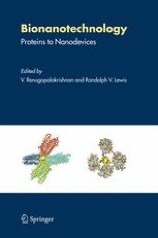
Bionanotechnology is the key integrative technology of the 21st century and aims to use the knowledge, gathered from the natural construction of cellular systems, for the advancement of science and engineering. Investigating the topology and communication processes of cell parts can lead to invention of novel biological devices with exciting applications. Though microscale to nanoscale research offers an excellent space for the development of futuristic technologies, a number of challenges must be overcome. Due to paucity of a dedicated literature on the protein based nanodevices we bring you this monograph that combines collective research works of scientists probing into this fascinating universe of bionanotechnology. The monograph has been written with an aim of surveying engineering design principles of biomolecular nanodevices, prototype nanodevices based on redox proteins, bacteriorhodopsins and natural fibers, and touching upon the future developments in the field.
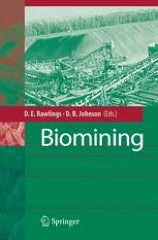
Biomining is the biotechnology that uses microorganisms to recover metals, in particular copper and gold, from ores and concentrates. Having developed from a very simple operational (in terms of both engineering and biology) process, biomining has developed into a multifaceted technology, to the extent that many of the largest industrial stirred tanks and heaps throughout the world are employed for bioprocessing minerals. This book has a strong applied approach and describes emerging and established industrial processes, as well as the underlying theory of the process, and the biology of the microorganisms involved. Chapters have been written by personnel from leading biomining companies, consultants and internationally recognized researchers and academics

سوريا - اتستراد درعا - غباغب
+963-15 2050 - 15 860 380 /1/2/3 - 11 662 3900