


تحسين النتائح
ترتيب حسب
من
الى

In Cancer in the Spine: Comprehensive Care, distinguished physicians and researchers from prestigious cancer centers around the world critically examine current trends and innovations in spinal cancer management. Detailing both the fundamental principles of diagnosis and treatment planning, and the cutting-edge techniques of tumor treatment, these experts bring together in one volume a guide to coordinated management of all aspects of cancer in the spine.
In Cancer Chemoprevention, Volume 2: Strategies for Cancer Chemoprevention, leading chemopreventives investigators comprehensively describe the exciting methodologies that are accelerating progress in the chemoprevention field and review the state of clinical development of preventive agents in the major human cancer target organs. The authors provide sound guidelines for cancer chemopreventive drug development, detailing general strategies and methods for drug discovery, preclinical efficacy, characterization of precancers, safety evaluation of clinical cohorts, and clinical trial design.
A realistic practice problems and unique "proof" step in the answer key that allows you to double-check your answers to avoid medication errors. This edition continues to promote critical thinking, clinical judgment, and patient safety with respect to accurate drug dosages. Helpful worksheets, assessment tests, and Clinical Alerts call attention to situations in actual practice that have resulted in drug errors — giving you extensive hands-on practice for the Next Generation NCLEX® and beyond.
This book introduces fundamental concepts, methods, and advances in the areas of dissolution, absorption, and permeability and their key applications in dosage form performance. Case studies are used to discuss the applications of biopharmaceutic strategies in the development of successful drugs, with a specific focus on the applications of biopharmaceutic strategies in the development of successful drugs. The book presents an integrated view in linking pharmaceutic to the biological consequences of drug products and leverages those for decision making in drug development.
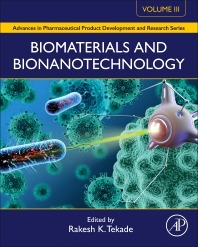
Examines the current state of the field within pharmaceutical sciences and concisely explains the history of biomaterials including key developments. Written by experts in the field, this volume within the Advances in Pharmaceutical Product Development and Research series deepens understanding of biomaterials and bionanotechnology within drug discovery and drug development. Each chapter delves into a particular aspect of this fast-moving field to cover the fundamental principles, advanced methodologies and technologies employed by pharmaceutical scientists, researchers and pharmaceutical industries to transform a drug candidate or new chemical entity into a final administrable dosage form, with particular focus on biomaterials and bionanomaterials. This book provides a comprehensive examination suitable for researchers working in the pharmaceutical, cosmetics, biotechnology, food and related industries as well as advanced students in these fields.

The book provides an overview on biliary lithiasis and all its clinical pictures, twenty years after the first laparoscopic cholecystectomy. The gallbladder, the main bile duct and intra-hepatic stones, in their uncomplicated and complicated forms are illustrated.
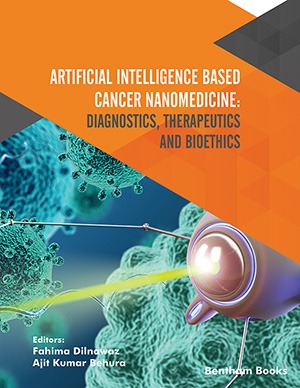
Nanomedicine is evolving with novel drug formulations devised for multifunctional approaches towards diagnostics ad therapeutics. Nanomedicine-based drug therapy is normally explored at a fixed dose. The drug action is time-dependent, dose-dependent and patient-specific. To overcome challenges of nanomedicine testing, artificial intelligence (AI) serves as a helping tool for optimizing the drug and dose parameters. Real time conversions between these two features enables upgradation of patient data acquisition and improved design of nanomaterials. In this scenario, AI-based pattern analysis and algorithms models can greatly improve accuracy of diagnostics and therapeutics.
Optimal dose individualization has become more important in improving clinical efficacy and safety, given the variability in drug response, e.g., due to concurrent illnesses or co-medications. Therefore, the role of optimal dose finding in early clinical drug development so as to maximize successful clinical use is emphasized. The continued use of biomarkers – based on the (known) pharmacology of the drug and/or biology of the underlying disease – along with exposure–response evaluation throughout all phases of drug development can quantitatively integrate clinical pharmacology knowledge, provide early proof of concept, and help in rational dose selection and rational drug product labeling for clinical use.
Provides unique insights into the issues that drive modified dosing regimens for antibiotics in the critically ill. Leading international authors provide their commentary alongside a summary of existing evidence on how to effectively dose antibiotics. Severe infection frequently necessitates admission to the intensive care unit (ICU). Equally, nosocomial sepsis often complicates the clinical course in ICU. Early, appropriate application of antibiotic therapy remains a cornerstone of effective management. However, this is challenging in the critical care environment, given the significant changes in patient physiology and organ function frequently encountered. Being cognisant of these factors, prescribers need to consider modified dosing regimens, not only to ensure adequate drug exposure, and therefore the greatest chance of clinical cure, but also to avoid encouraging drug resistance.
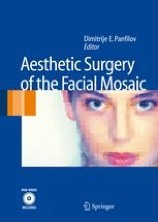
This authoritative reference book assembles the experience of an international faculty of authors, each of whom has performed several thousand facelifts, i.e. procedures to rejuvenate and harmonize the human face. All procedures in this regard are covered and the text is accompanied by extensive artwork and photographs. The authors share their experience, including tips and tricks, as well as ways to avoid complications and pitfalls. Special emphasis is given to the concept of looking at the face as a mosaic, i.e. treating its individual parts in a harmonic way and maintaining mimic units. Combining different methods.
We have come a long way since the days when abdominal wall contouring was p- formed by simple dermolipectomies, with no attention to diastasis correction and muscular reinforcement, and little regard for the final aesthetic result. Nowadays, an abdominoplasty may be indicated for even the most demanding of patients. Details such as placement of the incision and umbilicoplasty are meticulously planned so as to conceal undesirable scars. Since the advent of suction-assisted lipectomy, in as- ciation with a classical operation or as an isolated procedure, the plastic surgeon has become capable of remodeling the entire trunk, assuring removal of considerable amounts of adipose tissue.
This series, sponsored by the European Association of Neurosurgical Societies, has already become a classic. In general, one volume is published per year. The Advances section presents fields of neurosurgery and related areas in which important recent progress has been made. The Technical Standards section features detailed descriptions of standard procedures to assist young neurosurgeons in their post-graduate training. The contributions are written by experienced clinicians and are reviewed by all members of the Editorial Board.
A summary of the most recent and effective techniques for treating difficult functional problems and painful situations using minimally invasive spinal surgery techniques. Including an up-to-date review of the physiopathology of the diseases.

Includes a Materia Medica with monographs covering 25 adaptogens, including eleuthero, ginseng, rhodiola, schisandra, ashwagandha, licorice, shatavari, reishi, and holy basil, as well as complementary nervines, restorative tonics, and nootropics Explains how adaptogens increase the body's resistance to adverse influences, increase energy and stamina, and counter the effects of age and stress on the body Details the actions, properties, preparation, and dosage for each herb and their uses in Ayurveda and Chinese medicine and as remedies for animals Every day our bodies strive to adapt and stay balanced, energized, and healthy, yet chronic stress and the resulting elevation of stress hormones such as cortisol have been shown to be major factors behind not only fatigue and weight gain but also many chronic and degenerative diseases
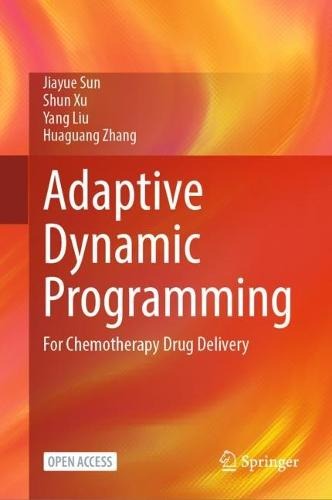
Focuses on the practical application of Adaptive Dynamic Programming (ADP) in chemotherapy drug delivery, taking into account clinical variables and real-time data. ADP's ability to adapt to changing conditions and make optimal decisions in complex and uncertain situations makes it a valuable tool in addressing pressing challenges in healthcare and other fields. As optimization technology evolves, we can expect to see even more sophisticated and powerful solutions emerge.
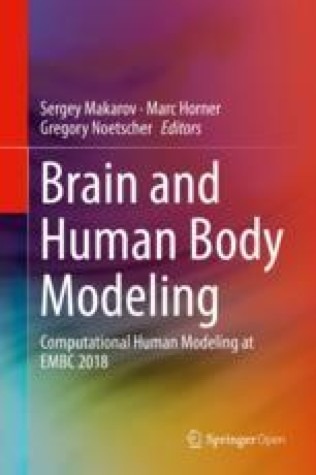
This book describes modern applications of computational human modeling with specific emphasis in the areas of neurology and neuroelectromagnetics, depression and cancer treatments, radio-frequency studies and wireless communications. Special consideration is also given to the use of human modeling to the computational assessment of relevant regulatory and safety requirements. Readers working on applications that may expose human subjects to electromagnetic radiation will benefit from this book’s coverage of the latest developments in computational modelling and human phantom development to assess a given technology’s safety and efficacy in a timely manner.

Provides complete instructions for the safe and effective administration of local anesthesia. Written by noted dental hygiene educator Demetra Logothetis, the first edition won a 2012 PROSE Honorable Mention award. This edition adds a new chapter on children and adolescent patients, plus new coverage of anesthetic agents and advanced techniques.

Dr. Kao and a team of experts begin by discussing anatomy, radiographic image applications and limitations, and then provide step-by-step clinical procedures for the lateral window technique, including piezosurgery, and the trans-alveolar methods, including balloon and controlled hydostatic sinus elevation. Also included are chapters on post-operative care and complication management.
Serves as a complete reference guide for the totality of salivary gland (SG) disease. Focusing on the clues available to the practitioner during the patient examination, it will completely review and update the available data concerning all manner of SG conditions. Looking beyond the perspectives of surgery, imaging, pathology, or sialendoscopy in diagnosis and therapy, this book will provide all professionals interested in the head and neck extensive and detailed diagnostic information about each SG entity.
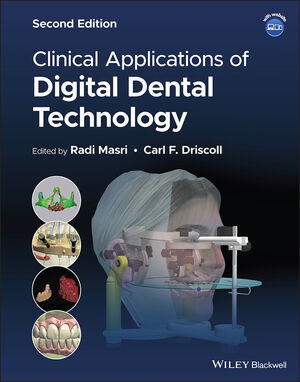
Provides comprehensive yet practical references to a wide range of potential uses for digital technology in dental practice, discussing a wide range of digital technologies including their indications, contraindications, advantages, disadvantages, limitations, and applications. Overall, the book emphasizes how to use digital dentistry in daily practice across all specialties. With broad coverage of the subject, Clinical Applications of Digital Dental Technology discusses digital imaging, digital impressions, digital prosthodontics, digital implant planning and placement, and digital applications in endodontics, orthodontics, and oral surgery. Each chapter is written by experts in each topic and covers applications for prosthodontics, implant dentistry, oral surgery, endodontics, orthodontics, and other specialty areas.

سوريا - اتستراد درعا - غباغب
+963-15 2050 - 15 860 380 /1/2/3 - 11 662 3900