


تحسين النتائح
ترتيب حسب
من
الى

Covers in detail advances in the biochemistry and physiology of several chemolithoautotrophic bacteria as well as their relationship to certain environments. Included are recent findings regarding the oxidation mechanisms of ammonia, nitrite, sulfur compounds, and ferrous iron by special bacteria. The characteristics of many cytochromes are described to further advance the understanding of bacterial oxidation systems of inorganic compounds. Applications of bacteria, such as in sewage treatment and in biohydometallurgy, among others, are detailed, and bacteria considered closest to the origins of life are discussed in the final chapter.
Plants produce secondary metabolites that humans harness for their own benefit. About half of drugs currently in clinical use are based on these chemicals found in nature. Chemistry of Natural Products covers secondary metabolites present in medicinal plants and their biosynthesis, biological activities, and isolation and separation techniques.
Presents the proceedings of "Chemical Signals in Vertebrates 11", hosted by the University of Liverpool and held July 25 - 28, 2006 at the University of Chester in the United Kingdom. Chemical Signals in Vertebrates 11 contains the latest research on chemical communication relevant to vertebrates, particularly focusing on new research since the last meeting in 2003. Topics covered include chemical ecology, biochemistry, behavior and neurobiology of both the main olfactory and vomeronasal systems of vertebrates, from amphibia to mammals including humans. A broad range of taxonomic groups and topics are discussed, including sections on new directions in semiochemistry, olfactory response and function, recognition within species, sexual communication, maternal-offspring communication, communication between species, and applications for zoo animal enrichment and pest control. The volume is dedicated to the memory of Dr. Bets Rasmussen and includes a special tribute chapter on her ground-breaking research on elephant communication.
Gives the reader, through the specific selection of chemical-biological techniques and concepts, the necessary tools to be able to develop new ways of thinking and thus new therapeutic options in the complex field of chemical biology and drug development. The stated aim of this book is to provide concrete solutions and inspiration to students, (post)graduate students, and experienced scientists at universities as well as in industry in their problems.
Described the contents of food raw materials and products, the chemistry/biochemistry of food components, as well as the changes occurring during post-harvest storage and processing affecting the quality of foods. Discusses the role of chemical compounds in the structure of raw materials and the formation of different attributes of food quality, including nutritional value, safety, and sensory properties. It contains four new chapters: “Non-Protein Nitrogenous Compounds”; “Prooxidants and Antioxidants in Food”; “Non-Nutritive Bioactive Compounds in Food of Plant Origin”; and “Analytical Methods Used for Assessing the Quality of Food Products.”
A comprehensive and authoritative exploration of Tempol (4-Hydroxy-TEMPO), an exceptional chemical compound with diverse applications in both scientific research and medical practice. This book delves into Tempol's unique properties, mechanisms of action, and its potential role in combating oxidative stress-related disorders. Includes a chapter devoted to the safe handling, storage, and disposal of Tempol in compliance with pharmaceutical regulations. The authors pay particular attention to pharmaceutical regulations in the industry.
More than 90 papers give a summary of clinical and basic studies on cerebral vasospasm, including reviews by leading researchers in this field. Several new frontiers are proposed for future research directions that will not only promote research from neurosurgery and neurology but also from other interconnecting fields of emergency medicine, electrophysiology, molecular biology, and vascular biology.
This volume serves as a succinct and well-organized reference volume focused on inflammatory CNS disease to a wide audience. The text is comprised of four sections revolving around current areas of interest in the fields of neuroimmunology, virology, pharmacology and disease. Sections of this text focus on a specific category of diseases as well as the pharmacological, virological, and immunological effects of and on the disease.Although many have covered this topic, few have provided a volume as concise and efficient. Each disease is broken down on a variety of scientific levels without getting into the history of the disease. This approach provides a succinct overview of a specific subject encompassing interrelated topics pertaining to neurology, immunology and disease. The information provided in Central Nervous System Diseases and Inflammation will be useful for researchers, clinicians, as well as a valuable resource for students interested in the fascinating arena of neuroinflammation.
This comprehensive volume, written by experts in the field, provides a current understanding of the molecular properties of the heat shock proteins and their roles in health and disease. Cell Stress Proteins includes advances in several aspects of stress protein research, with chapters ranging from basic studies of the role of heat shock proteins in protein folding to reviews examining the breakdown of stress protein regulation during disease. It also provides analysis of the biochemical and molecular properties of heat shock proteins which can be utilized in evaluating their role in human physiology and pathology. Cell Stress Proteins is an ideal book for researchers, clinicians, physicians, and graduate students in the fields of biochemistry, cell biology, microbiology, immunology, and genetics.
For about hundred years the investigation of heart physiology has had one central guiding principle, the "law" of Frank and Starling. This connects the return of blood into the heart and the blood pressure with cardiac con traction force. The "law" does it in a way that enables the cardiovascular system to react to perturbations without major malfunctions. This book is a compilation of reviews of prominent scientists on this subject. The differ ence of the original formulation of the Frank-Starling principle is that mechanotransduction is the central theme that leads the reader through the book. Since the discovery of the "law" the scope of topics related to this subject has broadened enormously, as can be seen easily by glancing at the contents of this book. Mechanotransduction in the heart has many faces that range from molecules to humans and their diseases.
this volume concentrates on the diseases, the physiological effects and therapeutic use of cannabinoids. The volume editor Prof. Mechoulam was the first who isolated the prime active constituent (THC, Tetrahydrocannabiol) of marijuana. He published extensively on the pharmacological activities of cannabinoids. The volume is of interest to researchers and clinicians from pharmacology, neuroscience, and medicinal research
The present book is an outstanding summary of many aspects of cannabinoid research. It represents a stepping-stone to many unsolved problems in biochemistry, pharmacology, physiology and the clinic. Perhaps it will help generate novel ideas, such as how to approach the scientific study of emotions.
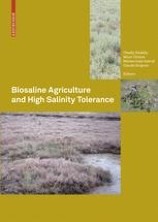
this book reviews the current state of knowledge in biosaline agriculture and high salinity tolerance in plants. It mainly focuses on the biotic approach to economically utilize the stress-prone areas by growing resistant plants.This volume comprises three sections: physiology and biochemistry, ecology, and molecular biology. Thus, a systematic approach has been adopted to uncover plant responses to various ecological factors at physiological and molecular levels.
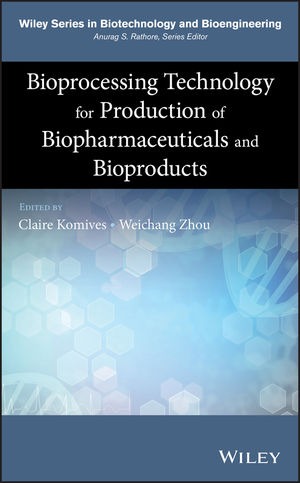
Written for industrial and academic researchers and development scientists in the life sciences industry, Bioprocessing Technology for Production of Biopharmaceuticals and Bioproducts is a guide to the tools, approaches, and useful developments in bioprocessing. This important guide: •Summarizes state-of-the-art bioprocessing methods and reviews applications in life science industries •Includes illustrative case studies that review six milestone bio-products •Discuses a wide selection of host strain types and disruptive bioprocess technologies

Presents reproducible and step-by-step procedures for the peptide synthesis, their characterization and applications. The volume includes an introductory section on in silico modelling of new peptide molecules, Molecular Dynamics Simulations, Docking, Electrostatic fingerprinting of peptides, and other modelling tools for peptide designing and optimization. Further, it covers protocols for the solid phase peptide synthesis, chromatographic and mass spectrometric characterization of peptides. Importantly, it covers methods for biophysical characterizations of peptides for their potential applications as drug delivery vehicles, peptide nano-assembly, bionanocatalysis, protein aggregation diseases, and peptide-based anti-bacterial.

Covers aspects of fundamental and applied nitrogen-fixation research, from biochemistry and chemistry through genetics, regulation and physiology to agricultural practice and environmental impact. This work describes progress on studies of potential catalysts for nitrogen fixation; how the N2-fixing process is regulated in living cells; and more.
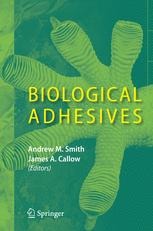
Many plants, animals, and microbes use adhesive polymers and structures to attach to inert substrates, to each other, or to other organisms. This is the first major review that brings together research on many of the well-known biological adhesives. Emphasizing the diversity of biological adhesives and associated adhesion processes, it deals with bacteria, fungi, algae, and marine and terrestrial animals. It bridges a variety of disciplines including biochemistry, molecular biology, biomechanics, bioengineering, microbiology, organism structure and function, and ultrastructure. As we learn more about the molecular and mechanical properties of these adhesives, we begin to understand why they adhere so well and how they develop cohesive strength. With this understanding comes the prospect of developing synthetic or semi-synthetic adhesives with broad applications in areas such as medicine, dentistry, and biotechnology. The book is suitable for both industrial and academic researchers.
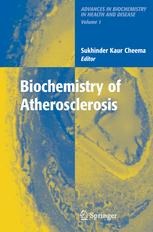
Advances in Biochemistry in Heath and Disease presents state-of-the-art discussions in cutting-edge biochemical research, offering exciting developments that impact healthcare and disease research. Volumes in the series focus on cross-disciplinary biomedical research and examine various topics in biochemistry, cell biology, molecular biology, and biomedicine. Biochemistry of Atherosclerosis examines atherosclerosis in great detail, focusing on the risk of atherosclerosis, and the biochemical pathways involved. It provides a breadth of knowledge as well as new insights into a variety of topics relating to atherosclerosis from leading scientists around the world who are at the forefront of atherosclerosis research. Biochemistry of Atherosclerosis is essential reading for biomedical and clinical researchers.
This stimulating new edition of the well-respected title Biochemistry and Molecular Biology of Antimicrobial Drug Action primarily covers medically important antimicrobial agents, but also includes some compounds not in current medical use which have been invaluable as research tools in biochemistry.
Covering interesting and significant biomedical ageing topics not included in the earlier volumes. Comprehensive and cutting-edge, this book is a valuable resource for experienced researchers and early career scientist alike, who are interested in learning more about the fascinating and challenging question of why and how our cells age.

سوريا - اتستراد درعا - غباغب
+963-15 2050 - 15 860 380 /1/2/3 - 11 662 3900