


تحسين النتائح
ترتيب حسب
من
الى

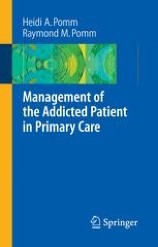
لThe text is logically organized and key information is easily accessible. The introductory section offers the reader important background and rationale for evaluating and treating addiction in primary care. Following a useful presentation of addiction "basics" (i.e., definitions, neurobiology, genetics, and the disease model), the majority of the book focuses on helping the physician gain insight and develop practical skills that can be readily implemented. A wealth of clinical assessment tools is provided, and the underlying psychosocial processes common to all forms of addiction are discussed. Both pharmacologic interventions and nonpharmalogic modalities are clearly outlined. Of particular note are specific cognitive-behavioral and motivational strategies that can be administered in an office-based setting. The role of community-based recovery support systems is considered as well. Since a complete understanding of why and when to refer is critical to the management of this often life-threatening condition, criteria for referral are detailed. Bulleted clinical "pearls" further aid the reader in gaining insight into treating this difficult patient population.

Management of Heart Failure has been conceived as a rapid but comprehensive review for practitioners of all persuasions involved in the management of patients with heart failure. Heart failure is a problem of epidemic proportions in all parts of the world. State of the art treatment may not be accessible to all, but simply creating an awareness of simple methods of diagnosis and treatment would assist in promoting a better global response to this epidemic. This practical volume, written by a panel of world-renown cardiology experts, focuses on the surgical management of heart failure. Surgery for heart failure is an evolving and new area in cardiac surgery with many exciting developments.
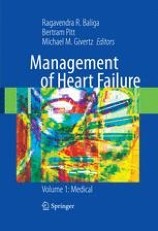
This practical volume focuses on the medical management of heart failure and outlines the causes, etiopathology and mechanisms in such a way that most health care professionals can grasp the concepts.

Management of Erectile Dysfunction in Clinical Practice is a concise and practical guide to erectile dysfunction (ED) and its management. The book covers normal function and dysfunction, assessment, treatment options and interventions. Since ED is a symptom, not a disease the underlying causes such as hypertension, coronary artery disease, diabetes, chronic renal impairment, chronic arthritis, chronic alcoholism, multiple sclerosis are looked at.

Breast cancer, its causes, early detection and treatment have received considerable attention, since this widespread disease is one of the most important health concerns for women. This book provides a comprehensive overview of the diagnostic and therapeutic aspects of the management of early-stage breast cancer, including essential information on basic topics like pathology, and radiology, as well as the latest developments. Further, it discusses all aspects of surgical care, chemotherapy and radiation therapy, together with the controversies and current management guidelines.

This new edition builds upon the foundational knowledge covered in the first edition, covering the epidemiology, pathogenesis, and clinical presentation of atopic dermatitis in both pediatric and adult patients. It provides an overview of the mechanism and presentation of atopic dermatitis and focuses on the management methods experienced dermatologists have used to successfully manage atopic dermatitis. The book includes new chapters describing the special considerations for atopic dermatitis in skin of color patients, dedicated chapters on topical and oral prescription management reflected the latest FDA-approved treatments, and also a chapter covering the updated guidelines from the American Academy of Dermatology. A final chapter includes updates on the future of atopic dermatitis treatment.
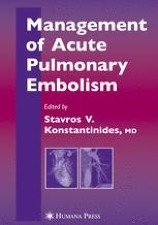
Management of Acute Pulmonary Embolism highlights traditional, novel, and evolving aspects of the diagnosis and treatment of pulmonary embolism (PE). Emphasis is placed on specific issues related to PE, including pregnancy, cancer, thrombophilia, and air travel. The authors critically review and interpret available data, and provide clear recommendations for diagnosis and therapeutic concerns in clinical management of PE patients. Management of Acute Pulmonary Embolism is organized in three precise sections - diagnosis, treatment, and special topics. Each section is up-to-date and detailed, and provides clear recommendations for diagnostic and therapeutic approaches to patients with PE in clinical practice. This practical volume is an essential starting point for future study for both medical students and established investigators.

This text provides a comprehensive summary of research and findings that have lead to the current understanding of the subventricular zones. It provides an overview of the roles of subventricular zones in normal development and in disease and a foundation from which current and future studies can be evaluated.

This volume acknowledges and celebrates the contributions of Dr. Frederick S. Szalay to the field of Mammalian Evolutionary Morphology. Professor Szalay has published about 200 articles, four monographs, and six books on this subject. Throughout his career Professor Szalay has been a strong advocate for biologically and evolutionarily meaningful character analysis. In his view, this can be accomplished only through an integrated strategy of functional, adaptational, and historical analysis. Dr. Szalay worked on several different mammalian groups during his career, and the contributions to this volume reflect his broad perspective. Chapters focus on Primates, a group to which Professor Szalay dedicated much of his career. However, other mammalian groups on which he conducted a significant amount of research, such as marsupials and xenarthrans, are also covered in the volume.
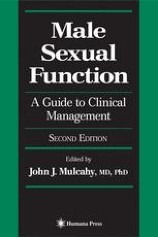
Male Sexual Function: A Guide to Clinical Management, Second Edition, completely updates and reviews newer developments, including linking erectile dysfunction (ED) with lower urinary tract systems, advances in erectile physiology, and the appreciation of ED as a form of endothelial dysfunction and a harbinger of other potentially lethal forms of vascular disease. Treatments of ED as well as the background, causes, associated conditions, and diagnostic tools are also provided. This new updated edition also presents the facts of sexual function and dysfunction so that the practitioner can properly treat basic problems with easily prescribed therapies. Also included is a new chapter on cardiovascular disease as well as chapters on pelvic surgeries, intracavernous injections with vasoactive agents, and vacuum erection devices.

This unique and engaging open access title provides a compelling and ground-breaking account of the patient safety movement in the United States, told from the perspective of one of its most prominent leaders, and arguably the movement’s founder, Lucian L. Leape, MD. Covering the growth of the field from the late 1980s to 2015, Dr. Leape details the developments, actors, organizations, research, and policy-making activities that marked the evolution and major advances of patient safety in this time span. In addition, and perhaps most importantly, this book not only comprehensively details how and why human and systems errors too often occur in the process of providing health care, it also promotes an in-depth understanding of the principles and practices of patient safety, including how they were influenced by today’s modern safety sciences and systems theory and design. Indeed, the book emphasizes how the growing awareness of systems-design thinking and the self-education and commitment to improving patient safety, by not only Dr. Leape but a wide range of other clinicians and health executives from both the private and public sectors, all converged to drive forward the patient safety movement in the US.

This book describes marked advances in imaging technology that have enabled the visualization of phenomena in ways formerly believed to be completely impossible. These technologies have made major contributions to the elucidation of the pathology of diseases as well as to their diagnosis and therapy.
Though magnetic resonance imaging has helped revolutionize the field of orthopedic medicine, a difference in perspective persists between radiology and orthopedic specialists. Magnetic Resonance Imaging in Orthopedic Sports Medicine is an interdisciplinary resource designed to bridge this gap.

The advent of contrast-enhanced MRA in the early to mid 1990s revolutionized the clinical approach to vascular imaging: an accurate non-invasive imaging modality, not requiring ionizing radiation or potentially nephrotoxic iodinated contrast media, was able to compete with the more hazardous and invasive catheter angiography. Today, MRA is a safe, easy-to-perform procedure routinely used in most imaging centers, and the continued development of faster, more powerful magnets and more effective contrast agents is increasingly helping to overcome many of the early limitations of the technique.
Progress in improving diagnosis by magnetic resonance imaging (MRI) and using non-invasive and non-toxic magnetic nanoparticles for targeted drug delivery. Focusing on cancer diagnosis and therapy, the book covers both fundamental principles and advanced theoretical and experimental research on the magnetic properties, biocompatibilization, biofunctionalization, and application of magnetic nanoparticles in nanobiotechnology and nanomedicine.

Macrosocial Determinants of Population Health explores social factors such as culture, mass media, political systems, and migration that influence population health while systematically considering how we may best study these factors and use our knowledge from this study to guide public health interventions.Each section ends with Galea’s integrative chapters, bringing the observations and conclusions from the chapters into clear, usable focus. Macrosocial Determinants of Population Health is a work of major theoretical, empirical, and practical interest for disciplines as varied as public health, epidemiology, health promotion, sociology, and health policy. Its systematic field-building approach makes it as valuable to the public health provider as to the scholars and students studying the health of populations.

Teaches you everything you need to know to master the popular meal plan that has helped athletes, celebrities, and people just like you build lean muscle and lose fat for good. On the macro diet, you track macronutrients instead of calories, so you know you’re giving your body the correct balance of daily nutrients to feel energized, strong, and healthy. And the great thing is that, as long as you balance your macros and meet your daily goals, you can eat whatever you want. You'll reach your weight and health goals without feeling deprived of your favorite foods.
Explores the application of machine learning to the understanding, early diagnosis, and management of neurodegenerative disorders. With a specific focus on its role in ongoing clinical trials, the book covers essential topics such as data collection, pre-processing, feature extraction, model development, and validation techniques. It delves into the applications of neuroimaging techniques like magnetic resonance imaging (MRI), computed tomography (CT), and positron emission tomography (PET) in the diagnosis and understanding of neurodegenerative disorders. Additionally, the book examines various machine-learning algorithms employed for biomarker discovery in neurodegenerative disorders. It highlights the role of neuroinformatics and big data analysis in advancing the understanding and management of neurodegenerative disorders. Furthermore, the book reviews future prospects and presents the ethical considerations and regulatory challenges associated with implementing machine learning approaches in the diagnosis, treatment, and prevention of neurodegenerative disorders.

This book summarizes the current state-of-the art knowledge about this unique organelle. It addresses the biogenesis of this compartment, the transport of lysosomal proteins, the role of the lysosomal membrane in lysosomal stability and transport, the function of lysosomal proteases and hydrolases, lysosomal storage disorders, and new concepts on how to treat these diseases.

Signal transduction through leukocyte receptors involves a variety of signaling molecules including kinases, phosphatases, adaptor proteins, small GTPases GTP exchange factors, membrane phospholipids as well as others. These signal transducers, regulated by inter- and intra-molecular interactions, as well as by various post-translational modifications, lead to the activation of transcription factors that mediate cellular differentiation and growth, effector cell functions, and apoptotic cell death. Several investigators from various parts of the world convened at the 3rd Lymphocyte Signal Transduction Workshop in Crete, Greece from May 27 to June 1, 2005 to discuss their most recent findings in leukocyte signaling. This volume represents a collection of topics discussed during the conference.

سوريا - اتستراد درعا - غباغب
+963-15 2050 - 15 860 380 /1/2/3 - 11 662 3900