


تحسين النتائح
ترتيب حسب
من
الى

The book attempts to review, summarize, and speculate on the apoptotic pathways, how are they regulated and how targeted therapies are being used to treat a wide variety of diseases. Special emphasis is placed on cancer since new treatments either being developed or currently in the clinical setting are showing great promise to increase survival rates for cancer patients.
Aortic dissection affects approximately two in ten thousand individuals and can be fatal. This state-of-the-art publication is a result of the combined efforts of participants from the International Registry of Aortic Dissection (IRAD). The book has been divided into sections. Each chapter provides a succinct overview of the current clinical literature and incorporates illustrations for further explanation.
Covers general concepts of anti-viral metabolites, classifications, ethnopharmacology, chemistry, clinical and preclinical studies focusing on different medicinal plants against various types of viral infections. Various plants have been used in medicine since ancient times and are known for their strong therapeutic effects. The book will describe potential antiviral properties of medicinal plants against a diverse group of viruses, and provide an insight to the potential plants possess for broad-spectrum antiviral effects against emerging viral infections.The book aims to target a broad audience including virologists, molecular biologist, microbiologist and scientists working with natural products as well as researchers, students, healthcare experts involved in pharmaceutical and medical field.
This volume gathers a variety of models, delivery systems, and approaches that can be used to assess RNA technology for exploiting antisense as a therapeutic intervention. Beginning with a section on the design of antisense technology and their delivery, the book continues by covering model systems developed to evaluate efficacy, both in vivo and in vitro, as well as methods to evaluate preclinically the toxicity associated with these new potential drugs, and intellectual property considerations. Written for the highly successful Methods in Molecular Biology series, chapters include introductions to their respective topics, lists of the necessary materials and reagents, step-by-step, readily reproducible laboratory protocols, and tips on troubleshooting and avoiding known pitfalls.

Examines the role that antioxidants play in a variety of health and disease situations. The book discusses antioxidants’ historical evolution, their oxidative stress, and contains a detailed approach of 1) endogenous antioxidants, including endogenous sources, mechanisms of action, beneficial and detrimental effects on health, in vitro evidence, animal studies and clinical studies; 2) synthetic antioxidants, including sources, chemistry, bioavailability, legal status, mechanisms of action, beneficial and detrimental effects on health, in vitro evidence, animal studies and clinical studies; and 3) natural antioxidants, including sources, chemistry, bioavailability, mechanisms of action, possible prooxidant activity; beneficial and detrimental effects on health, in vitro evidence, animal studies and clinical studies. Throughout the boo, the relationship of antioxidants with different beneficial and detrimental effects are examined, and the current controversies and future perspectives are addressed and explored. Antioxidants Effects in Health: The Bright and the Dark Side evaluates the current scientific evidence on antioxidant topics, focusing on endogenous antioxidants, naturally occurring antioxidants and synthetic antioxidants. It will be a helpful resource for pharmaceutical scientists, health professionals, those studying natural chemistry, phytochemistry, pharmacognosy, natural product synthesis, and experts in formulation of herbal and natural pharmaceuticals.
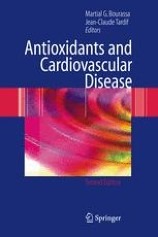
Antioxidants and Cardiovascular Disease, Second Edition addresses a complex but very timely and fascinating problem in cardiovascular medicine. It is written by recognized experts in the fields of atherosclerosis and antioxidants. It should be of interest not only to academicians but also to practicing physicians.
Begins with a short history of malaria and follows with a summary of its biology. It then traces the fascinating history of the discovery of quinine for malaria treatment, and then describes quinine’s biosynthesis, its mechanism of action, and its clinical use, concluding with a discussion of synthetic antimalarial agents based on quinine’s structure. It also covers the discovery of artemisinin and its development as the source of the most effective current antimalarial drug, including summaries of its synthesis and biosynthesis, its mechanism of action, and its clinical use and resistance. A short discussion of other clinically used antimalarial natural products leads to a detailed treatment of additional natural products with significant antiplasmodial activity, classified by compound type.
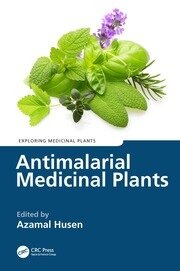
Malaria continues to affect a large population of the world, especially in third world countries. The spread of drug-resistant parasites demonstrates the need for antimalarial agents with various modes of action. The search for remedies derived from medicinal plants for the treatment of malaria is reliant on accurate ethnobotanical and ethnopharmacological information obtained from traditional medical practitioners. Antimalarial Medicinal Plants provides information on bioactive compounds and therapeutic potentials of several antimalarial plant species found around the globe. This book evaluates these plant species with respect to their biology, diversity, distribution, and pharmacological values.
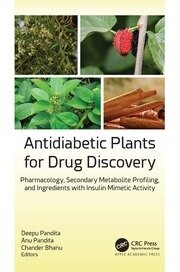
Takes an in-depth look at the potential pharmacological applications of 11 important antidiabetic plants, examining their antihyperglycemic, hypoglycemic, and anti-lipidemic properties along with current genome editing research perspectives. Plant natural products, or phytoconstituents, are promising candidates for antidiabetic pharmacological actions. The phytoconstituents, such as fl avonoids, terpenoids, saponins, carotenoids, alkaloids and glycosides, play vital roles in the current and future potent antidiabetic drug development programs. Each chapter reviews a particular plant with antidiabetic properties, explaining the therapeutic aspects, its active antidiabetic compounds, and relevant genome editing technology.
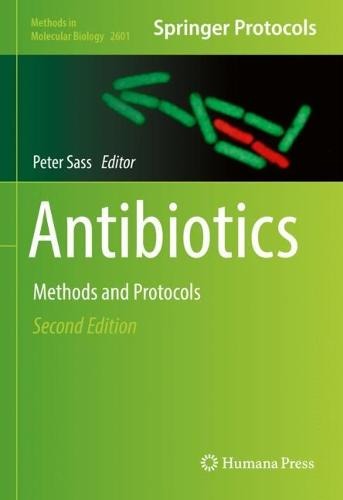
Provides state-of-the-art and novel methods on antibiotic isolation and purification, identification of antimicrobial killing mechanisms, as well as methods for the analysis and detection of microbial responses and adaptation strategies. Antibiotics: Methods and Protocols, Second Edition, guides readers through updated and entirely new chapters on production and design, mode of action, and response and resistance. Written in the highly successful Methods in Molecular Biology series format, chapters include introductions to their respective topics, lists of the necessary materials and reagents, step-by-step, readily reproducible laboratory protocols, and tips on troubleshooting and avoiding known pitfalls.
This unique book assembles contributions from experts around the world concerned with responsible use of antibiotics and the consequences of overuse. For the first time, it provides up to the minute texts on both the theoretical aspects of antibiotic stewardship and the practical aspects of its implementation, with consideration of the key differences between developed and developing countries
Provides unique insights into the issues that drive modified dosing regimens for antibiotics in the critically ill. Leading international authors provide their commentary alongside a summary of existing evidence on how to effectively dose antibiotics. Severe infection frequently necessitates admission to the intensive care unit (ICU). Equally, nosocomial sepsis often complicates the clinical course in ICU. Early, appropriate application of antibiotic therapy remains a cornerstone of effective management. However, this is challenging in the critical care environment, given the significant changes in patient physiology and organ function frequently encountered. Being cognisant of these factors, prescribers need to consider modified dosing regimens, not only to ensure adequate drug exposure, and therefore the greatest chance of clinical cure, but also to avoid encouraging drug resistance.
This multidisciplinary book reviews the diagnosis and management of anterior knee pain and patellar instability in an eminently clinical and practical manner. The book reviews the therapeutic alternatives, both surgical and non-surgical, emphasizing the considerable importance of minimal intervention and non-surgical methods. Similarly, anterior knee pain following ACL reconstruction is covered in detail.
This book breaks new ground by situating animals and their diseases at the very heart of modern medicine. In demonstrating their historical significance as subjects and shapers of medicine, it offers important insights into past animal lives, and reveals that what we think of as ‘human’ medicine was in fact deeply zoological.Each chapter analyses an important episode in which animals changed and were changed by medicine. Ranging across the animal inhabitants of Britain’s zoos, sick sheep on Scottish farms, unproductive livestock in developing countries, and the tapeworms of California and Beirut, they illuminate the multi-species dimensions of modern medicine and its rich historical connections with biology, zoology, agriculture and veterinary medicine. The modern movement for One Health – whose history is also analyzed – is therefore revealed as just the latest attempt to improve health by working across species and disciplines.
This volume relates the lessons learned from tumour biology applied to inflammation. This issue of Angiogenesis in Inflammation: Mechanisms and Clinical Correlates develops current knowledge on the mechanisms at the molecular and cellular levels as they relate to inflammation, including acute and chronic inflammation, neurogenic initiation, and the role of the multiple cellular components that comprise inflammation: granulocytes, macrophages, fibroblasts, dendritic cells and lymphocytes. This is related to inflammatory disease: not only the familiar angiogenesis dependent diseases of rheumatoid arthritis and psoriasis, but also loci such as the lung, gastric ulcers, the eye with uveitis, wound healing and periodontal disease and their therapy, how this knowledge may be used in the discovery of novel therapeutics. The volume brings together experts in each of these fields to link the molecular and cellular processes in angiogenesis to those of inflammation and disease, culminating in a discourse on areas for future therapies.
In Angiogenesis and Direct Myocardial Revascularization, an interdisciplinary panel of pioneers and opinion leaders review the basic, preclinical, clinical, and developmental pathways to new treatment strategies, such as therapeutic angiogenesis and myogenesis.
This monograph contains a detailed description of the MLAC method and its applications and an extensive and updated review of the most significant studies on the subject and their clinical implications. Studies that use the up-down sequential allocation method have made a significant contribution to clarifying numerous questions that the anesthetist asks himself every day in the delivery room and today rightly flank traditional studies representing, together with them, the primary source of updating and knowledge that are indispensable for good clinical practice based not only on experience but also on evidence and scientific rationale.
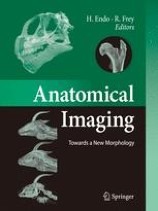
This book presents selected works of contemporary evolutionary morphologists and includes such topics as broad scale reconstructions of the brain and ear of dinosaurs, inference of locomotor habits from cancellous bone architecture in fossil primates, and a comparison of the independently evolved manipulating apparatuses in the lesser and giant pandas. Insight is provided into the application of modern noninvasive technologies, including digital imaging techniques and virtual 3D reconstruction, to the investigation of complex anatomical features and coherences. In combination with traditional methods, this allows for the formulation of improved hypotheses on coordinated function and evolution. The creation of virtual translucent specimens makes it possible to realize the age-old dream of the classical anatomists: looking through the skin into the inner organization of an organism. On full display here is the dramatic and promising impact that modern imaging techniques have on scientific progress in evolutionary morphology.

The book discusses the conventional analyses for oil and natural gas feeds, along with their limitations. It offers detailed descriptions of advanced analytical techniques that are commercially available, plus explanations of gas and oil industry equipment and instrumentation. You’ll find technique descriptions supplemented with a list of references as well as with real-life application examples. With this book as a reference, you can prepare to apply specific analytical methods in your organization’s lab environment. Analytical Techniques can also serve as your comprehensive resource on key techniques in the characterization of oil and gas samples, within both refinery and environmental contexts.
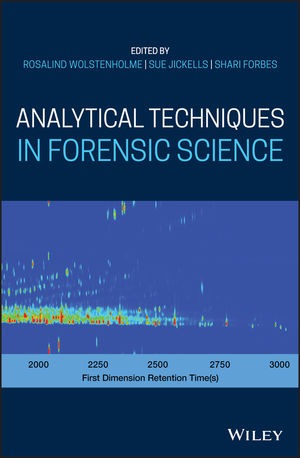
Analytical Techniques in Forensic Science is a comprehensive guide written in accessible terms that examines the interface between analytical chemistry and trace evidence in forensic science. With contributions from noted experts on the topic, the text features a detailed introduction analysis in forensic science and then subsequent chapters explore the laboratory techniques grouped by shared operating principles. For each technique, the authors incorporate specific theory, application to forensic analytics, interpretation, forensic specific developments, and illustrative case studies.

سوريا - اتستراد درعا - غباغب
+963-15 2050 - 15 860 380 /1/2/3 - 11 662 3900