


تحسين النتائح
ترتيب حسب
من
الى

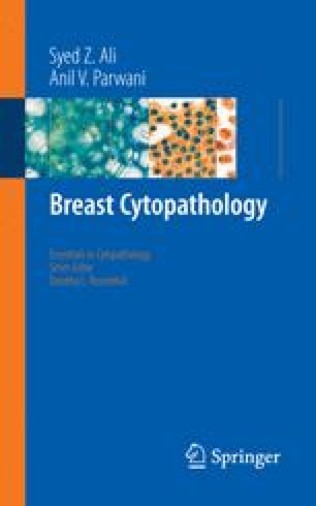
Breast Cytopathology by Syed Ali, MD and Anil Parwani, MD will fulfill the need for an easy-to-use and authoritative synopsis of breast cytopathology. This volume, part of the Essentials in Cytopathology book series, fits into the lab coat pocket and is ideal for portability and quick reference. Each volume in the series is heavily illustrated with a full color art program, while the text follows a user-friendly outline format.
Focuses on innovative treatment options for breast cancer, including surgery, radiotherapy, systemic therapy and of course immunotherapy that is changing outcomes in some aggressive breast cancer histotypes. Subsequent chapters also address the ongoing emerging research in the screening, diagnostics, and management of all subtypes of breast cancers. All current landscapes and future perspectives in each molecular subtype: luminal, HER2-positive, and triple-negative breast cancers are discussed within the different chapters. Breast cancer is still the most common cancer and cause of cancer deaths among women worldwide. The improvement of breast cancer outcome appears to be strictly related to the validation of precise biomarkers that enable us to better select personalized approaches in breast cancer management. The closing chapters deal with the challenges of low income countries of conducting research in the era of precision medicine for cancer. The book is edited and authored by leading experts in this field and will be of interest for clinicians and scientists alike
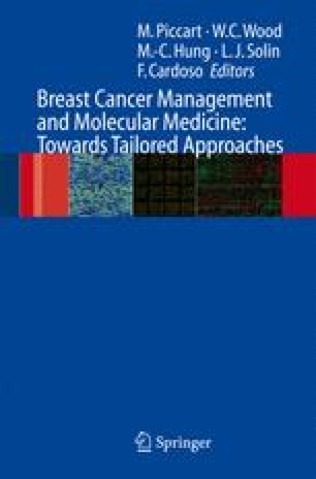
This book provides an overview of the most recent techniques, agents and approaches for breast cancer that contribute to the individualization of treatment. Current biomedical research focuses on facilitating the transfer of molecular biology knowledge into the clinical management of patients, leading to increased survival as well as improved quality of life. Particular attention is given in this book to organ-specific tailored approaches, specific populations, patients’ preferences and rehabilitation.
In Breast Cancer Chemosensitivity, a group of world leading experts review critical aspects of resistance to systemic therapy in breast cancer patients. Beginning with a clinical overview of the problem Breast Cancer Chemosensitivity moves on to focus on the latest findings of molecular mechanisms of drug resistance. These include in-depth discussions on multidrug resistance by P-glycoprotein and the multidrug resistance protein family, resistance to therapeutic agent-induced apoptosis, cell cycle deregulation, deregulation of DNA repair, loss of tumor suppressor genes, integrin-mediated adhesion, insulin-like growth factors, epidermal growth factor, and ErbB2 in modulating breast cancer response to systemic therapy, especially, certain chemotherapeutic agents. Breast Cancer Chemosensitivity provides an example of using novel approaches for chemosensitization of breast cancer cells that gives readers an idea about the future direction in breast cancer treatment.
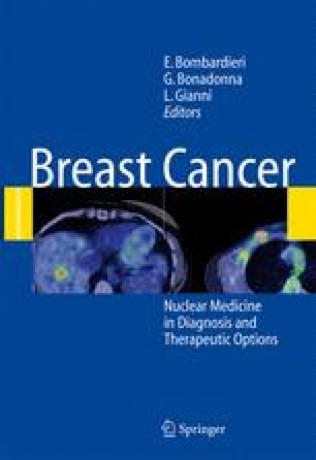
This book provides general information on breast cancer management and considers all new methods of diagnosis and therapy. It focuses on nuclear medicine modalities by comparing their results with other diagnostic and therapeutic approaches.
Branching morphogenesis, the creation of branched structures in the body, is a key feature of animal and plant development. This book brings together, for the first time, expert researchers working on a variety of branching systems to present a state-of-the-art view of the mechanisms that control branching morphogenesis. Systems considered range from single cells, to blood vessel and drainage duct systems to entire body plans, and approaches range from observation through experiment to detailed biophysical modelling. The result is an integrated overview of branching.
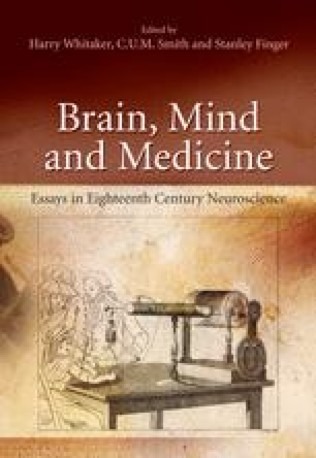
Ideas we associate with the 18th century are clearly seen in work published from the latter decades of the 17th century through the first decades of the 19th century. This is the "long 18th century", a period which exhibits multiple discourses in medicine, brain science and philosophy. The editors have deliberately adopted a "presentist" subtitle, "neuroscience", to emphasize that this collection of essays reflect a range of current thought about 18th century-studies of the nervous system in isolation and in context. There are six sections, each preceded by a short introduction.
Since Bailey and Cushing (1926), all brain tumor classifications have been called histogenetic. The nosographic position that the tumor types progressively acquired in the classification systems derived from the resemblance of tumor cells to those of the cytogenesis, modified whenever new information became available from different biological research fields and especially from molecular genetics. Classically, on the basis of the rough correspondence between the mature/immature aspect of tumor cells and the benign/malignant biological behavior of the tumors, the histological labels contained a prognostic significance. The supposed origin of the tumors was thus a factor for prognosis. Later on, with the concept of anaplasia (Cox, 1933; Kernohan et al., 1949) new criteria were introduced for establishing the malignancy grades of tumors. Immunohistochemistry and later molecular genetics further refined the prognostic diagnoses, substantially increasing the opportunities to recognize the cell origin of tumors, beside revealing the pathogenetic mechanisms. Prognoses became more accurate, as required by the greater and more targeted possibilities of therapy.
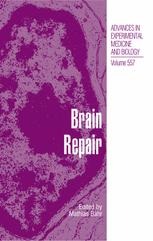
Brain Repair, addresses all relevant issues underlying the mechanisms of brain damage, brain plasticity and post-traumatic reorganisation after CNS lesions. This book is divided the three major sections that follow; cellular and molecular basis of brain repair, plasticity and reorganisation of neural networks, and experimental therapy strategies. Brain Repair is written by high profile, international experts who describe in detail the newest results from basic research and highlight new model systems, techniques and therapy approaches. Based on a careful analysis of the cellular and molecular reaction patterns of the CNS to lesions, the contributions cover possibilities for endogenous reorganisation and repair as well as exciting new therapies emerging from basic research, some of which have already been introduced into the clinics.
Brain metastases are the most dreaded complication of systemic cancer, affecting approximately 170,000 people a year, a far greater incidence than primary brain tumors. Advances in modern chemotherapy have led to an improved control of system cancers, often with agents that poorly penetrate the central nervous system, resulting in an increasing incidence of brain metastases. Traditional chemotherapy has had little impact on brain metastases. The main therapeutic option is radiation therapy, and in a small number of patients - surgery. However, refinements in all of these treatments offer some positive outcomes and an increased ability to stratify patients based on certain criteria.

The XIII International Symposium on Brain Edema intracerebral hemorrhage. This volume includes papers pre- day satellite conference on the subject. Brain vestigation focusing primarily on the secondary events edema, in many respects, is a marker of underlying which develop after the hemorrhage. pathological processes which include tissue injury There was considerable enthusiasm to continue the from many diseases.
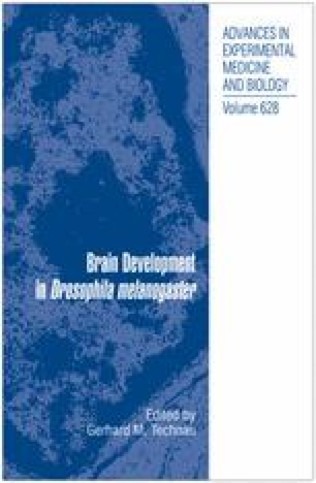
The central nervous system (CNS) represents the organ with the highest structural and functional complexity. Accordingly, uncovering the mechanisms leading to cell diversity, patterning and connectivity in the CNS is one of the major challenges in developmental biology. The developing CNS of the fruitfly Drosophila melanogaster is an ideal model system to study these processes. Several principle questions regarding neurogenesis (like stem cell formation, cell fate specification, axonal pathfinding) have been addressed in Drosophila by focusing on the relatively simply structured truncal parts of the nervous system. This book provides an overview of some major facets of recent research on Drosophila brain development.

This text is intended to provide an overview of brain death. The topics explored in this book are the concept and historical approach of human death, clinical examinations of brain-dead patients, ancillary tests in coma and brain death, bioethical discussions of brain death and its relationship with some consciousness disturbances, and the legal considerations of human death.
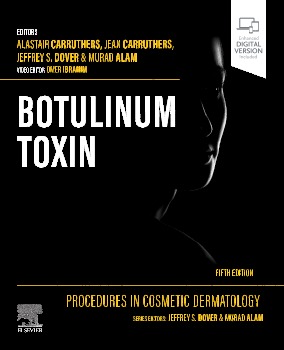
Offering a step-by-step, practical approach to this commonly performed cosmetic procedure, Procedures in Cosmetic Dermatology: Botulinum Toxin, 5th Edition, enables you to master the up-to-date cosmetic techniques that produce the superior results your patients expect. It covers the science behind these neuromodulators and their usage areas in cosmetic dermatology, as well as the latest treatment options—all abundantly illustrated and evidence based. A substantial video library demonstrating injection techniques helps you successfully incorporate the latest procedures into your practice.
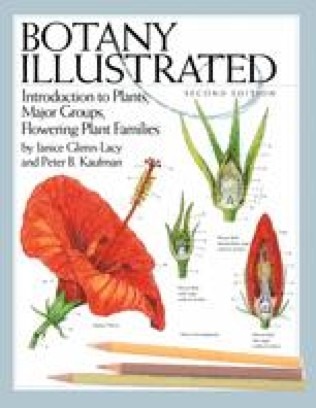
This easy-to-use book helps you acquire a wealth of fascinating information about plants. There are 130 pages with text, each facing 130 pages of beautiful illustrations. Each page is a separate subject. Included is a coloring guide for the realistic illustrations. The illustration pages are composed of scientifically accurate line drawings with the true sizes of the plants indicated. Using colored pencils and the authors’ instructions, you can color the various plant structures to stand out in vivid clarity. Your knowledge of plants increases rapidly as you color the illustrations.
Botanicals, which have been part of human food and medicine for thousands of years, are perceived as being safer than synthetic pharmaceuticals. The global botanical drug market was expected to reach $26.6 billion by 2017. In terms of FDA regulations, botanical drugs are no different from non-botanical products, having to meet the safety and effectiveness standards of a new drug in accordance. This book comprises a complete start-to-end process from drug-idea conception, to drug development process.

This volume adopts an ecosystems approach to understanding the world's boreal peatlands. It focuses on biogeochemical patterns and processes, production, decomposition, and peat accumulation, and provides additional information on animal and fungal diversity. A recurring theme is the legacy of boreal peatlands as impressive accumulators of carbon as peat over millennia. This carbon legacy is under threat from a wide diversity of disturbances, including wildfire, ongoing climate change, the changing chemistry of atmospheric deposition, and continuing resource exploitation. The volume is of inte.

There are several crucial feedbacks from forests to the climate system. The mechanisms for those feedbacks are elaborated in the book: they involve changes in the carbon cycle, albedo, N2O emissions and the production of aerosols. Much of this work is new and the feedback relationships have not yet been incorporated into models of the climate system. The book will be an important introduction for students and climate modellers alike, providing conceptual tools and ideas that are broadly applicable to terrestrial systems.
Bone Resorption, the second volume in the series Topics in Bone Biology, deals with the osteoclast, the bone-resorbing cell, its origins, its enzymes, the regulation of osteoclast activity, and structural aspects of bone resorption. Diseases involving osteoclast function are discussed from the genetic viewpoint in two chapters that span transgenic mouse models to human pathology. Another chapter treats diseases of osteoclast function. Because osteoporosis may be considered a disease in which the bone resorption rate exceeds formation, a separate chapter deals with current and potential therapeutic approaches to this widespread disease that affects both men and women. Bone metastases and an analysis of the central role of the osteoclast in this condition are treated in the concluding chapter.

The ability of stem cells to acquire different desired phenotypes has opened the door for a new discipline: regenerative medicine. Much of the interest for this purpose is generated by embryonic stem cells, but their use is still controversial for moral reasons as well as scientifically. Less controversial and readily available are the adult bone marrow-derived progenitors including hematopoietic stem cells, endothelial progenitors and mesenchymal stem cells. The ambitious goal of this volume is to provide a comprehensive overview of the currently available information related to the therapeutic utility of adult bone marrow-derived cells. Each chapter has been written by an accomplished expert in the field, making this a hugely valuable resource for anyone looking for an up-to-the-minute assessment of current practice in adult bone marrow-derived cell therapy.

سوريا - اتستراد درعا - غباغب
+963-15 2050 - 15 860 380 /1/2/3 - 11 662 3900